Category: Remodeling

  • Modern Trends in Bathroom Fixture Selection

    Modern Trends in Bathroom Fixture Selection

    Bathroom upgrades are more than just about looks. Updating outdated fixtures can improve your bathroom’s function, help you save water, and give it a clean, modern feel. It’s one of the most used spaces in the home, so selecting the right mix of style and utility matters. Whether you’re starting from scratch or refreshing your current layout, choosing fixtures that match newer trends can make a big impact without having to do a complete remodel.

    Today’s premium bathroom upgrades are all about balancing beauty and performance. From eco-friendly showerheads to voice-activated sinks, the options go beyond the standard faucet and tub combo. Trends are leaning into ease of use, comfort, and designs that reflect personal taste. The right bathroom fixtures can add value to your space while making everyday routines more enjoyable.

    The Rise of Smart Fixtures

    Smart technology has made its way into bathrooms, and it’s not just about fancy features. Homeowners are embracing tech that makes daily habits smoother and bathrooms more efficient. Touchless faucets are a popular upgrade that reduce germ transfer, keep fixtures cleaner, and come in handy when hands are messy or full.

    Smart showers are also becoming common. These allow you to program your ideal temperature and water pressure through a digital panel or a smartphone app. You can now step straight into a warm shower in the morning with just a few taps on your phone. Toilets with built-in bidet features, automatic lids, and night lights are also on the rise, adding convenience in subtle but helpful ways.

    Here are more smart features people are adding to their bathrooms:

    1. Motion-activated lighting that offers a soft glow for nighttime use

    2. Voice-controlled mirrors with built-in lighting and weather updates

    3. Water-saving smart shower systems that adjust to your preferences

    4. Heated floors and towel warmers you can control from your phone

    These updates may sound high-tech, but they’re becoming more common as homeowners look for ways to make their spaces more useful and tailored to their routines. As smart tech becomes easier to use and more accessible, it’s finding a place in homes of all sizes.

    Sustainable Choices for an Eco-Friendly Bathroom

    Looking at your bathroom from a sustainable angle doesn’t mean giving up comfort or quality. Eco-friendly fixtures help limit waste, reduce water use, and lower long-term utility costs. Today’s low-flow faucets and showerheads are designed to keep pressure strong while cutting water use.

    The materials used in fixtures are also getting a sustainability upgrade. More people are choosing pieces made from recycled metals or materials with minimal manufacturing waste. Plastic-heavy items are being swapped for longer-lasting options like brushed stainless steel or matte finishes made with durable alloys.

    Some features to consider when going green in your bathroom:

    1. Water-efficient toilets that cut the flush volume without needing extra flushes

    2. Sensor faucets that turn off automatically when not in use

    3. Low-flow showerheads built for strong performance with lower water use

    Green doesn’t have to mean plain or boring. A lot of today’s eco-friendly products are also defined by smart, stylish designs. There’s a growing emphasis on products that look great and work well over time, showing you don’t have to choose between responsible products and great design.

    Luxurious Aesthetics: Combining Function and Style

    A stylish bathroom makes every morning and evening routine feel more comfortable. Current trends are leaning toward fixtures that double as design pieces. Matte black is one of the most requested finishes. It adds a bold, clean look and works with modern, rustic, or industrial decor.

    Brushed nickel and brass are also leading options. They give just enough shine without overwhelming the space and match well with wood tones or natural stone tiles. These finishes are helping bathrooms shift away from the chrome-heavy look of the past into something warmer and more personalized.

    Smaller choices like faucet styles or showerhead shapes can also change the feel of the entire room. Wall-mounted or single-hole faucets save space and add modern function. Rainfall showerheads and handheld sprayers are being added to showers, giving that spa feel without major renovation.

    When mixing form with function, think about:

    1. Matching your finishes with lighting, drawer pulls, or towel bars

    2. Choosing a consistent shape across your faucet, knob, and showerhead selections

    3. Adding one standout piece like a vintage-style sink faucet or sleek freestanding tub filler

    Design-focused fixtures help sew your whole bathroom together. With just a few swaps, you can tie the space to your larger decor theme and create a relaxing retreat.

    Customization and Personalization

    Today’s bathrooms aren’t just places to clean up. Many homeowners are turning bathrooms into spaces for comfort and calm. That’s where custom fixtures come in. The best upgrades are ones that adapt to your routines and preferences.

    Adjustable showerheads are a great example. Whether you’re tall, have kids, or share the bathroom, these let everyone find a comfortable setting. Some models also come with multiple spray modes, giving variety to your shower experience.

    When it comes to the vanity area, function and beauty meet in clever ways. Double-faucet sinks, custom drawer storage, and outlets inside drawers all help personalize the space for how you get ready daily.

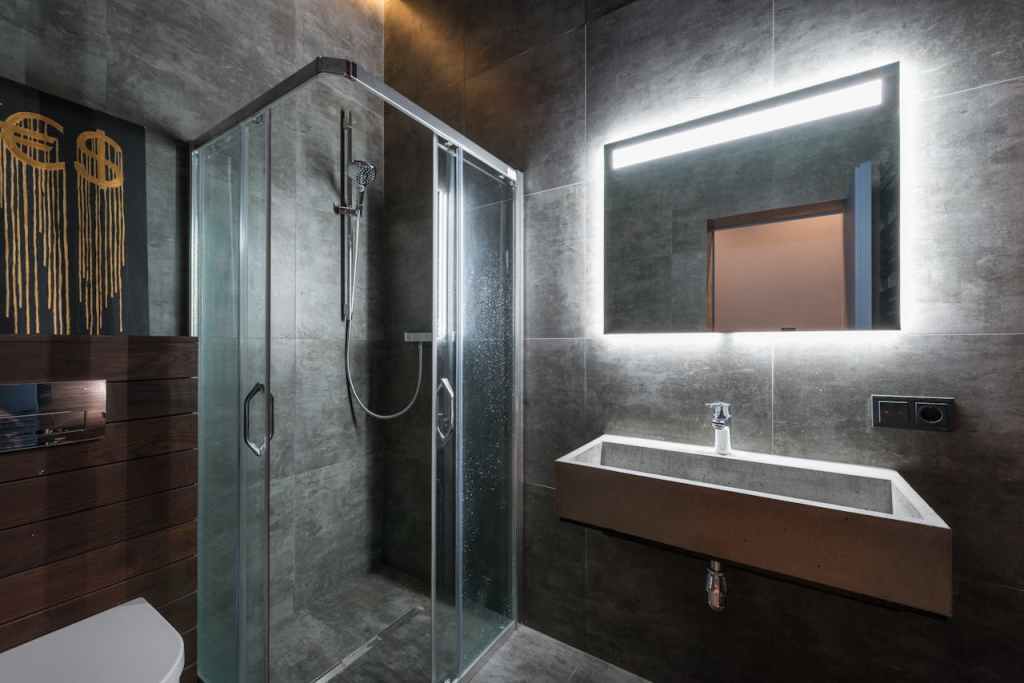
    Lighting should never be an afterthought. Dimmable overhead lights, under-shelf lighting, or backlit mirrors can majorly change how the space feels at different times of day. This extra control helps create a more peaceful start or end to your day.

    A few custom-friendly fixture ideas:

    1. Double-shower setups with individual controls and heads

    2. Built-in vanities customized with charging drawers or sized shelving

    3. Touch-control faucets set to your regular temperature

    4. Coordinated fixture lines across faucets, handles, and other hardware

    These features may seem small, but they combine to offer a personalized bathroom that works for you—not just for show.

    Where Stylish Functionality Meets Practical Comfort

    Creating a bathroom that works well and feels enjoyable comes down to thoughtful fixture choices. Small upgrades can make big differences when it comes to convenience, performance, and the overall mood of the room.

    Smart technology gives you comfort and control when you need it. Eco-conscious fixtures work hard to lower your impact without cutting quality. Design-focused pieces link style with practicality. Personal touches ensure that your space fits your life and not just a catalog photo.

    When handled right, premium bathroom upgrades offer more than just visual appeal. They support a better experience every day. With the right plan and the right team, your bathroom can shift from outdated or basic to something truly fresh, comfortable, and functional.

    Whether you’re drawn to high-tech, sustainable, luxurious, or uniquely personal touches, these trends give you the tools to shape a space that works better for your needs today and over time.

    Ready to tackle your bathroom transformation? Whether you’re inspired by tech-savvy touches or eco-friendly finishes, make your vision a reality with premium bathroom upgrades. Let LJ Builders guide you in choosing fixtures and features that fit your style and needs perfectly. Reach out today to start crafting the bathroom of your dreams.
  • Updating Your Home While Maintaining Its Character

    Updating Your Home While Maintaining Its Character

    When you’re ready to update your home, keeping its original charm can make the finished space feel even more meaningful. Whether you live in a mid-century modern ranch or a cozy cottage, every detail, from the trim around your windows to the curve of your staircase, tells a story. While tastes shift and lifestyles change, preserving the features that give your home personality doesn’t mean giving up modern convenience or comfort.

    Blending classic character with updated function creates a remodel that truly stands out. Doing this well means knowing what makes your home unique and making thoughtful decisions throughout the process. The goal is to build a space that feels fresh, without losing the aspects that made you fall in love with it to begin with. That’s where a client-focused remodeling service like LJ Builders comes in—helping you keep what matters while improving what needs to work better.

    Understanding Your Home’s Character

    Before making changes, it’s helpful to look closely at what defines your home’s character. Every home has small and large details that give it identity and warmth. Some are obvious, like exposed beams or original hardwood floors. Others are more subtle, like natural lighting patterns or the shape of interior archways.

    Here are a few elements that often carry a home’s unique personality:

    – Classic trim or molding around doors and windows

    – Authentic tile work in kitchens or bathrooms

    – Built-in furniture like shelving, desks, or benches

    – Decorative window shapes or stained glass panels

    – Distinct doors with antique handles or finishes

    – Plaster walls, ceiling medallions, or textured finishes

    Preserving these details doesn’t mean avoiding updates—it just means being thoughtful about how work is done. For example, if a vintage tile bathroom feels outdated but holds historical value, you can redesign the space around key pieces instead of removing them altogether. A great strategy is to photograph, label, and list the details worth keeping before construction begins. This way, as the work progresses, everyone stays focused on what should remain intact.

    Getting this part right sets a strong foundation for the rest of the project. Once the key features are identified, everything else can evolve around them with care and purpose.

    Tips For Updating While Preserving Character

    Many homeowners want modern comfort without losing the charm that made their house feel like a home. Striking this balance takes thoughtful planning and intentional choices. Here are some strategies that work well for updating while preserving personality.

    1. Choose Materials That Fit the Period

    Matching materials doesn’t have to be exact, but it should feel consistent. If your home features oak flooring, find tones that blend well when adding or replacing sections. For plaster walls or traditional trim styles, seek modern alternatives that mirror the original look. Reclaimed wood, classic tile patterns, or retro-inspired fixtures all help carry that sense of continuity while meeting today’s standards.

    2. Blend Old and New the Right Way

    Not every update needs to look ultra modern. The trick is to find a style match that respects the existing look. For example, opening up a floor plan is more comfortable for day-to-day life but doesn’t need to clash with historical charm. Use neutral colors, traditional light fixtures, or period-appropriate cabinet styles to bridge the gap between past and present.

    3. Keep the Details That Tell a Story

    Architectural details often hold the soul of your home. If your molding, arches, or flooring have unique patterns or materials, explore ways to repair and keep them. Where repair isn’t possible, replicas or restorations can replace worn sections while holding onto the original spirit. Even small items like antique door hardware or glass fixtures can be reinstalled after updates and help maintain that sense of legacy.

    4. Update Systems, But Tuck Them Away

    Upgrading plumbing, HVAC, or electrical is important for day-to-day efficiency but can often be done quietly. Place vents out of key sightlines, tuck wiring inside walls, and select low-profile light switches and plate covers. Modern conveniences don’t need to visually interfere with the design. Hiding the tech helps keep the focus on what makes the house special.

    5. Bring in Someone Who Understands It

    Preserving character while remodeling isn’t a one-size-fits-all job. This kind of remodeling takes people who understand the value of what’s already there and know how to work with it. Design-build professionals like our team at LJ Builders are experienced in working with character homes. We listen, plan carefully, and offer creative ways to bring modern function to existing structure without losing the charm that defines your home.

    Creating Harmony And Functionality

    Improving how a home works doesn’t mean losing the traits that give it heart. The most satisfying remakes are the ones that lead to better day-to-day living while still feeling like the same house you’ve always loved.

    For example, opening up walls to improve flow can work well when paired with ceiling beams or arched entries that retain warmth and structure. In kitchens, integrating modern appliances with timeless materials like butcher block or marble-pattern counters lets the space feel both familiar and current. Where tile and lighting exist, echo old colors or lines that match the house’s age rather than interrupt it.

    Even elements like smart storage and lighting upgrades can be added while sticking with finishes and fixtures that look like they’ve always belonged. A hallway closet with hidden drawers or a bathroom with better lighting doesn’t have to stand out, it just has to fit naturally.

    When balance is done right, it’s easy to move through the home and feel like everything belongs—even the updates. It becomes a space where every detail supports both your needs and your style.

    Let’s Transform Your Home Together

    Remodeling doesn’t mean starting over. It means making sure your home continues to work for your life while still feeling like you. There’s a way to update without replacing all the parts that matter. Whether it’s the shape of a window, the tone of your wood floors, or the curve of a railing, the elements you value can always be part of the story.

    By working with a team that respects those choices, you don’t have to pick function over charm. You get both. Our experience with client-focused remodeling gives us the tools to help bring out the best in your home. When done with care and vision, the updates live in harmony with the past—and create a space that fits your future.

    Updating your home while maintaining its character can truly transform your living space into something both beautiful and functional. If you’re considering a remodel and want to keep the charm that makes your space unique, explore our client-focused remodeling services. LJ Builders can assist in achieving the right balance for your home.

  • Questions to Ask Before Hiring Home Remodeling Experts

    Questions to Ask Before Hiring Home Remodeling Experts

    Remodeling can completely change how a home looks and feels. It can make daily routines easier, improve comfort, and even boost a home’s long-term value. But before the first hammer swings, there’s something even more important than choosing paint colors or flooring materials: choosing the right contractor. The person or team you hire will play a big part in how smoothly the project goes and how satisfied you feel once it’s done.

    Knowing what to ask ahead of time can help prevent delays, miscommunication, and extra costs. Most remodeling problems come from things that weren’t talked about early enough. Asking the right questions upfront gives you a better picture of how a contractor works and what to expect. It also helps you figure out if they’re a good fit for your home and your goals.

    Qualifications and Experience

    You wouldn’t hire someone to fix your car if they’d never worked under a hood before. The same goes for hiring home remodeling contractors. Before you sign any papers, make sure the team you’re speaking with has real experience doing the kind of work you’re asking for.

    Start with their background. Ask how long they’ve been in business and what kinds of projects they’ve completed in the past. If your project involves older homes or tricky layouts, check whether they’ve dealt with that type of work before. You’re not looking for someone who’s perfect. You’re looking for someone who’s proven they can handle problems when they come up.

    Experience goes hand in hand with licenses, certifications, and insurance. Make sure the contractor holds whatever licenses your state or city requires and that those documents are still current. Also check that they carry general liability and workers’ comp insurance. If someone gets hurt on your property or something goes wrong, you’ll want protection on both sides.

    Think about asking these questions before hiring:

    – How long have you been working as a remodeling contractor?

    – Can you share photos or examples of your past projects?

    – Are you licensed and insured for this type of work?

    – Have you ever worked on homes similar to mine?

    You learn a lot from how open a contractor is when you bring this up. A confident, professional contractor will gladly walk you through their experience and show you their past work. That kind of transparency is usually a good sign you’re heading in the right direction.

    Project Management and Communication

    Every remodeling job, big or small, comes with moving parts. That’s why project management is such a big deal. You want to know who’s in charge of what, when work will happen, and who you can call if something doesn’t look or feel right.

    Clear communication before and during a remodel makes a huge difference. When you’re asking questions, find out how the contractor shares updates. Do you get emails weekly? Daily phone calls? Is there a set schedule for progress check-ins? You want a style of communication that fits how involved you’d like to be.

    More importantly, ask who your main point of contact will be. Some companies have a project manager who keeps the wheels turning, while others may have the contractor do it all. You want one person you can go to with questions or problems without getting different answers depending on who you ask.

    It also helps to ask how they handle hiccups. If materials are delayed or unexpected repairs pop up, what’s the plan? Can they shift the timeline or budget without skipping steps? The more they can walk you through what happens when things go sideways, the more prepared you’ll be if they do.

    Strong project management often includes:

    – Having a clear timeline with key dates and phases

    – Regular updates that keep you in the loop

    – A single point of contact from start to finish

    – A plan in place for delays or surprises

    When a contractor has systems in place for staying organized and for talking things through, the entire remodel tends to run smoother. And that means less stress for you.

    Cost and Budget Considerations

    Talking about money can be awkward, but it’s one of the most important parts of hiring a home remodeling contractor. Before any work begins, you should feel confident about how much the project will cost and what’s included in that price. A reliable contractor won’t just throw around a rough number. They’ll walk you through materials, labor, and any extra services involved.

    Start by asking for a line-by-line estimate. This should break down what you’re paying for in clear terms. If something doesn’t make sense, ask for clarification. A good contractor takes the time to make sure you understand exactly what you’re agreeing to. You also want to compare quotes fairly if you’re getting more than one.

    Contracts need to be in writing. Handshakes and verbal promises aren’t enough. A solid contract protects both you and the contractor and keeps things clear throughout the job. Make sure the pricing, timeline, materials list, and payment schedule are all clearly written.

    Here are a few helpful questions you can ask:

    – Can you provide a detailed written estimate with labor and materials separated?

    – What costs are fixed and which ones might change?

    – Will I be notified before any budget changes happen?

    – How does your payment schedule work?

    You might also want to ask about hidden fees or common add-ons. For example, does cleanup at the end cost extra? Are permits included, or do you pay for those separately? Asking these things upfront helps you avoid surprise charges halfway through the job.

    Timeline and Deadlines Matter

    Time is one of the biggest stress points in any remodel. Delays throw off routines, living arrangements, and other plans. That’s why it’s so important to ask about timeline expectations before work starts.

    A clear timeline should include a projected start date, key project milestones, and an estimated completion date. You shouldn’t be guessing when the crew will show up or when your kitchen will be back in use. Some delays are outside of a contractor’s control, like weather or supply issues. But the way they plan for those delays says a lot about how they’ll manage your project.

    The more detailed the timeline, the better. Even something as simple as knowing when walls come down, cabinets go in, or floors get installed can help you feel more prepared. If your contractor includes buffer time right from the start, that’s usually a good sign. It shows they’ve done this before and understand what could come up.

    When discussing timelines, here are a few good questions to include:

    – What’s the expected length of this project from start to finish?

    – Are there any steps that might slow things down along the way?

    – How do you handle delays or changes to the schedule?

    – Will work happen every day or only on certain days?

    Asking about deadlines also helps set realistic expectations. There are often smaller tasks that follow the big ones, like painting after drywall, but those can get overlooked if plans aren’t clear from the beginning. A solid plan means fewer surprises, and that takes a lot of pressure off you.

    Your Contractor Should Feel Like the Right Fit

    By the time you’re ready to hire someone, you’ve hopefully talked through their experience, how they communicate, what they charge, and how long the job will take. Now, take a step back and think about the big picture. Are they the kind of team you’d feel comfortable letting into your home every day? Do their answers feel honest and easy to understand?

    Choosing a home remodeling contractor is more than checking off a list of skills. You want someone who listens, answers clearly, and understands your goals. Some homeowners say they just knew after meeting the right contractor. That’s the type of comfort you’re looking for.

    Looking across all the questions you’ve asked helps you make a confident decision. You’re trusting this person with your space and your investment. If something feels unclear or rushed, don’t be afraid to pause and ask more. A good contractor won’t mind and will actually view it as a sign that you’re serious about your project.

    Every contractor does things a little differently. But the right one for you will have a solid plan, open communication, and show respect for you and your home. Asking the right questions early helps you stay in control and sets the tone for a remodeling experience that’s worth your time and money.

    Ready to take the next step with your home project? Discover how our expert team of home remodeling contractors at LJ Builders can transform your living space. With a focus on quality and customer satisfaction, we’re here to guide you through every stage of the remodeling process. Learn more about how we can help bring your vision to life.

  • Transforming Your Bathroom Into a Personal Spa Retreat

    Transforming Your Bathroom Into a Personal Spa Retreat

    Picture stepping into your bathroom after a long day and instantly feeling calm. The colors are soft, the air smells like eucalyptus, the lights are dim, and everything around you invites you to slow down. Turning a regular bathroom into a personal spa retreat doesn’t just sound good — it’s completely doable with the right touches. You don’t need an endless budget or massive square footage. What you need is intention. Whether you’re dreaming of a weekend reset zone or a daily space that grounds you, elegant bathroom designs can turn ordinary into peaceful.

    As summer starts winding down in September, it’s a great time to begin planning a space that helps you rest and recharge, especially before the busier fall and winter months ahead. Creating a spa-like bathroom can shift how you move through your home and your day. A calm, well-designed space encourages rest and can be tailored to what relaxes you most. Maybe that’s the feel of warm floors underfoot, the sound of rainfall from your shower, or just knowing that everything has a place. Let’s look at the choices that help build this feeling of calm with thoughtful design.

    Creating a Spa-Like Atmosphere

    If your bathroom feels a little chaotic or blah, focusing on how it looks and feels is the first step. A spa-inspired atmosphere starts with calming colors and lighting that’s easy on the eyes. Bright overhead lights and bold paint tones might suit other rooms, but bathrooms benefit from more peaceful visual cues.

    Stick to soft, neutral colors like cream, beige, light taupe, or dusty blue. These tones tend to open up the room while helping your mind slow down. If you prefer a cozier vibe, darker shades can still work — think charcoal gray or deep forest green — just match them with warm lighting to keep the space from feeling too closed in.

    How your bathroom is lit will heavily influence the mood. Try layering the lighting to avoid relying on one strong ceiling light. A few lighting tips include:

    1. Overhead lights with soft white bulbs

    2. Wall sconces or vanity lights near mirrors

    3. Dimmable switches for mood control

    4. Accent lighting under shelves or cabinets

    5. Battery-powered candles or soft-glow diffusers

    6. Frosted windows or a skylight for natural light

    Lighting doesn’t need to be overly complicated, but it should be flexible. If you remodel, think about adding soft ambient lighting options that make it easier to adjust the feel of the room depending on time of day or mood.

    That relaxed vibe created by cozy lighting and calm color tone lays a great foundation. From here, it’s all about adding luxurious features that blend ease and beauty.

    Incorporating Luxurious Fixtures and Features

    Think about what makes stepping into a spa feel different. It’s often the small but high-quality details — how the water pours, how smooth the hardware feels, and the sense that everything has a purpose. Repeating that feeling at home can start by upgrading or replacing standard items with more luxurious touches.

    The shower is a great place to start. A rainfall showerhead completely changes your experience. Rather than a targeted spray, it offers gentle full coverage. Want more convenience and flexibility? Add a handheld sprayer too, especially handy for pets or kids.

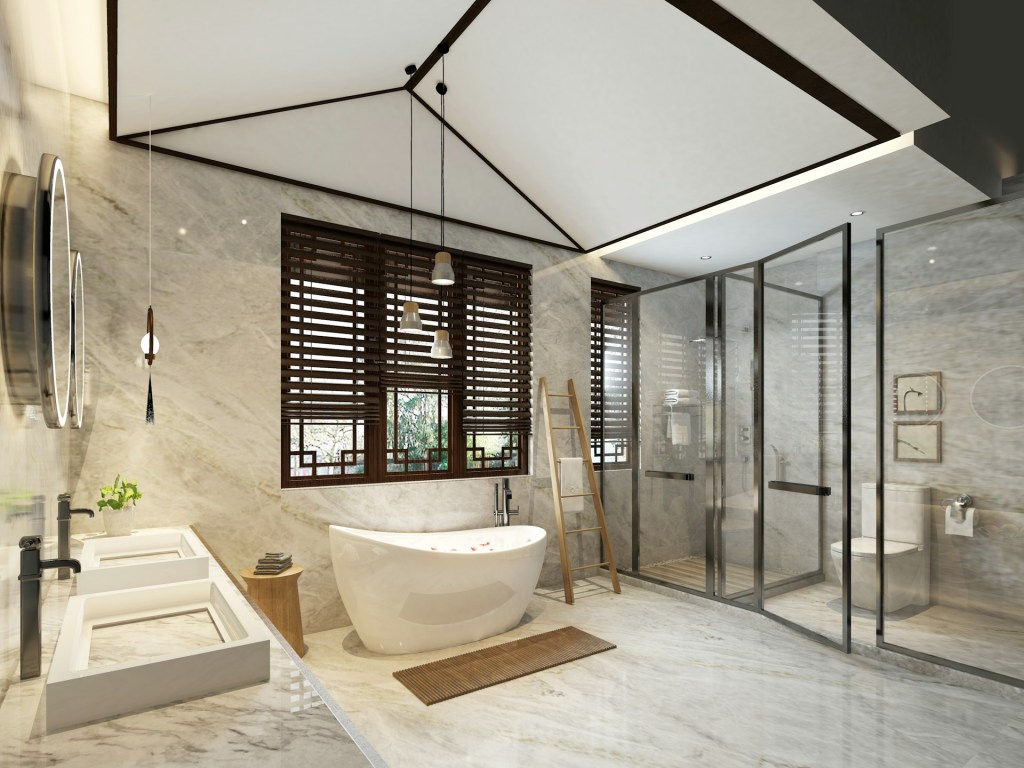
    For bath lovers, a soaking tub might be the highlight of your retreat. Freestanding tubs are stylish and usually deeper than built-in versions, letting you fully relax. If space is tight, deeper alcove tubs are a good compromise — giving the full-bodied soak feel without taking over the entire room.

    Other upgrades that make a large impact include:

    – Heated towel racks so towels are always warm

    – Dual sinks or wide vanities that offer more elbow room

    – Smart mirrors that defog automatically or adjust lighting

    – Touchless faucets for a modern upgrade and easier cleaning

    Bringing in natural finishes also adds to the spa vibe. Wood-look tiles or pebbled floors connect the space to nature without sacrificing durability. Stone or wood accents can make even a modern design feel grounded and cozy. For example, warm wood vanities with brushed gold hardware create a mix of elegance and calm.

    All these changes work together to shift the space from purely functional to something much more enjoyable. And once your fixtures and finishes are in place, it’s time to turn your focus to comfort.

    Enhancing Comfort and Relaxation

    Great lighting and beautiful finishes are a strong start, but it’s the details that really help you slow down and feel at ease. Think about what you touch and see right after your bath or shower — these elements should feel warm, soft, and cozy.

    Add plush bath mats, extra-absorbent towels, and a robe you look forward to wearing. These upgrades don’t require a construction crew, but they can change how your space feels day-to-day. Stick to neutral colors for these, too, so they flow easily with the rest of the room.

    Next, think about function. A cluttered space never feels relaxing, even if it’s pretty. When your everyday items have storage spots, your bathroom stays peaceful and clean. Good storage options include:

    – Open shelves for rolled towels

    – Drawer organizers for small items

    – Woven baskets for daily-use products or laundry

    – Recessed wall shelves in the shower

    – Pull-out trays in vanity cabinets

    A well-organized space keeps stress levels lower and looks more intentional. Thoughtful storage helps keep the spa-like atmosphere intact and supports your daily routine.

    Personalized Touches for Your Retreat

    Once the functional items are in place, don’t forget the personality. A bathroom that truly feels like a retreat will reflect who you are and what soothes you. These touches can be simple and still have a strong impact.

    One of the key elements many spas use is scent. A diffuser with lavender, eucalyptus, or sandalwood can instantly make the room feel calmer. Keep the scent soft, just enough to greet you.

    Adding personal decor helps finish the look without overcrowding the space. Some calming ideas include:

    – Framed photos or soft-hued artwork

    – A plant that loves humidity

    – A wooden stool for seating or surface space

    – Stone or wood sculptures or accents

    Stick with a consistent style throughout. Maybe you’re drawn to soft coastal tones or timeless black and white lines. Whatever it is, stay within the same design family so your space doesn’t get visually noisy.

    Even small updates, when chosen based on your taste, play a role in creating a relaxing environment. And that brings you closer to something much deeper than just a bathroom makeover.

    Create the Peace You’ve Been Looking For

    Your bathroom can be more than just the place you start and end each day. With some intentional choices and thoughtful design, it can become your own peaceful escape. From plush textures under your feet to natural light above you, every design element has a purpose. Elegant bathroom designs don’t rely on space or budget alone. They come from details that make you feel at home in your own skin.

    Whether you’re planning minor upgrades or a full remodel, having a space built to calm and comfort makes a difference. Working with experts who understand both the vision and the process helps turn your ideas into something you get to enjoy every single day.

    Bring your bathroom dreams to life with elegant bathroom designs that elevate your space into a true personal retreat. From soothing colors to modern fixtures, the right changes can transform your bathroom into a haven. LJ Builders is here to help you create a space that feels as good as it looks.

  • Planning Your Perfect Open-Concept Kitchen Layout

    Planning Your Perfect Open-Concept Kitchen Layout

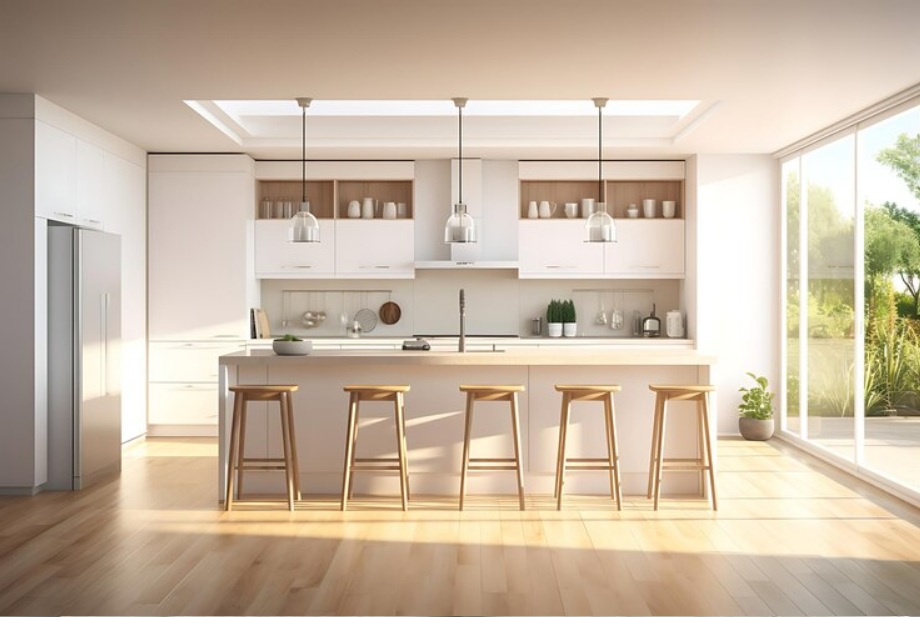
    Open-concept kitchens have become a favorite for homeowners looking to break down walls and blend their kitchen with the rest of their living space. Instead of tight corners and closed-off rooms, this setup encourages natural light, clear movement, and easier interaction among family and guests. Whether you’re hosting a dinner or helping kids with homework at the island, an open layout keeps everyone connected.

    Planning an open-concept kitchen, though, requires more than just removing walls. You’ll need to plan how zones flow together, choose finishes that tie into the rest of your home, and make the space work for your everyday routines. A thoughtful layout should support your lifestyle and make the most of your square footage.

    Understanding the Fundamentals of an Open-Concept Kitchen

    Open-concept kitchens combine the kitchen with adjacent living or dining areas by removing walls or barriers. What you get is a single, free-flowing area that looks and feels bigger while letting in more light and encouraging interaction.

    The layout is different from a traditional kitchen. Without walls defining the space, planning becomes more intentional. You’ll still need to separate areas for cooking, food prep, and cleaning, but without letting it feel crowded. The challenge is to keep each zone clear while still allowing for a smooth and natural flow.

    Ceiling height can also change how the room works. Higher ceilings give a more open feel and allow design choices like pendant lights or exposed beams. If the ceilings are low, lighter finishes, minimal cabinets, and clean lines help keep it from feeling tight. A change in ceiling material or height can also subtly define the kitchen within the larger room without physical dividers.

    The way you use your space matters as much as the layout. Think about how your family moves during meals or gatherings. Do you like to face the living room while cooking? Should the island be a prep area or a seating space? These details shape a kitchen that fits how you live.

    Key Elements in Planning Your Layout

    The foundation of any good open-concept kitchen is smart space use. It begins with an honest look at your current kitchen. Which walls are load-bearing? Will removing them impact plumbing or electrical? Do you have the structure in place to add or move a kitchen island? Where will your kitchen meet the living space?

    Once the groundwork is set, focus on the main zones:

    1. Cooking Zone

    Choose a spot for the stove or cooktop that’s close to storage and prep surfaces. It should be clear of main walkways to avoid traffic jams while you’re cooking.

    2. Cleaning Zone

    This area includes your sink and dishwasher. Ideally, it should be near your cooking area to simplify cleanup and keep essentials close at hand.

    3. Prep Zone

    A stretch of counter, often between the stove and sink, is where you’ll handle chopping and assembling. An island can double as both prep space and an area for guests to gather.

    4. Storage Without Walls

    Without upper cabinets on every wall, storage needs to be creative. Think pull-out drawers in the island, tall pantry units, or open shelving that adds function and visual interest.

    5. Island or Peninsula

    Besides offering storage and seating, islands help define the kitchen area and act as a bridge to nearby rooms. They can become the home’s new gathering spot.

    Movement is just as important as layout. Leave enough room between zones for people to pass by comfortably, even when appliances are open. A layout that’s too tight will feel more like a hallway than an inviting kitchen.

    Choosing the Right Materials and Finishes

    Once your layout works, materials and finishes will help the kitchen blend into the surrounding space. Since everything is in view, every material choice impacts how cohesive the area feels.

    Floors that run between kitchen and living spaces help unify the open layout. Wood-look flooring, luxury vinyl, or tile can create clean lines without making it feel like separate zones. Picking neutral or consistent tones helps everything flow together visually.

    Countertops set the tone, too. Sleek materials like quartz look clean and modern, while butcher block or honed stone adds warmth. Matching the tone of the countertops to your living room accents can connect the spaces even more.

    Cabinetry plays a big role in the visual weight of the kitchen. Lighter cabinets help the kitchen seem bright and less bulky, especially if you don’t have many walls to work with. Matching wood tones or colors to furniture or flooring can build a sense of unity without making everything match too closely.

    Backsplashes are a great spot to show some personality without overwhelming the open space. Choose finishes that look balanced with adjacent furniture or wall colors.

    Lighting is even more important with fewer walls. Pendant lights above the island, recessed lights in the ceiling, and under-cabinet lighting all help break up the space while adding function. The goal is to layer enough light to support cooking, dining, and relaxing—all in one place.

    Choose materials that can stand up to daily wear. Kitchens get used hard, especially when they’re also social spots.

    – Flooring: Scratch-resistant and easy to clean

    – Countertops: Stain-resistant and durable

    – Cabinets: Tough finishes that hide fingerprints well

    – Backsplashes: Wipeable and adds visual interest

    – Lighting: Fits the rest of the home’s style and offers enough brightness

    With materials chosen to match your lifestyle and coordinate throughout the room, your open-concept kitchen will look pulled-together and ready for anything.

    Personal Touches and Practical Considerations

    An open-concept kitchen should work hard while still feeling personal. This is your chance to reflect your own style and needs in meaningful details.

    Maybe you want open shelving to display heirloom dishes or sleek matte black fixtures to bring a bold contrast. Even bar stools can shift the overall feel—wooden ones create a cozier vibe, while metal or acrylic keeps things sharp and modern.

    Beyond style, practical details make the space easier to live in. These are the problem-solvers that often get overlooked during design but matter most later.

    – Decide where trash and recycling bins will sit to avoid disrupting traffic flow

    – Plan for noise—open kitchens can carry sound, so add soft-close drawers or cushioning

    – Confirm your HVAC setup reaches all corners, especially if vents moved

    – Layer your lighting: overhead lights for task work, softer lights during meals

    – Design the space with how you entertain in mind—distance from prep to dining matters

    Power outlets, vent hoods, and even drawer organization all impact your day-to-day use. Small decisions like these are what separate a decent kitchen from one that makes you feel right at home.

    Transform Your Space with LJ Builders

    When your kitchen works the way you live, everything else falls into place. A well-designed open-concept layout helps you cook, relax, entertain, and connect. It’s not just about making the space look good—it’s about making it work better in your day-to-day life. The layout, materials, and finishing touches should all reflect your routines and the way your home flows.

    Whether you’re starting fresh or opening up what’s already there, planning carefully will help you get the most out of your remodel. Thoughtful design choices today can give you an open-concept kitchen that brings more light, better movement, and a space that feels like home.

    Planning an open-concept kitchen remodel can truly transform your living space into something special. Whether you’re dreaming of a spacious layout for entertaining or a modern design that enhances your daily routine, LJ Builders is here to help bring your vision to life. To explore how we can make it happen, learn more about open-concept kitchen remodels. Let’s work together to create a kitchen that reflects you and serves your needs perfectly.

  • Signs Its Time to Update Your Home’s Interior Design

    Signs Its Time to Update Your Home’s Interior Design

    Your home should feel like a place that fits your needs and style, not a space stuck in the past. Interior design doesn’t have to stay frozen in time. As your life changes—new routines, growing family, different tastes—your space should keep up. Refreshing your home’s design can help it feel cleaner, calmer, and more comfortable to live in day after day.

    From better lighting setups to smarter storage solutions, updating your home’s interior is more than a visual upgrade. A thoughtful remodel can reshape how rooms function and how you feel moving through them. Whether you’re aiming for a modern refresh or just looking to make better use of your space, adjusting your home’s interior can bring a lasting sense of ease and belonging.

    Recognizing Outdated Designs

    If something in your home feels off, chances are it has to do with how the interior looks or functions. Maybe the wall colors haven’t changed in a decade or your couch has seen better days. These are often the first signs that a space needs attention. Over time, what’s trendy or practical evolves. When rooms start feeling tired or hard to use, it might be time to rethink your setup.

    A quick way to spot areas needing a refresh is to look at how you and your guests interact with the space. Do you find it hard to get comfortable in the living room? Does the lighting make rooms feel dark even during the day? Have you stopped using a certain room because of its layout or outdated style? These kinds of clues speak volumes.

    Some common signs that mean your interior design is due for a change include:

    – Worn-out or mismatched furniture that no longer fits your layout

    – Outdated colors or paint styles that make walls look dull or closed in

    – Cluttered kitchen or bathroom layouts with limited counter space

    – Heavy window coverings that block out natural light

    – Flooring that’s weathered or no longer suits your home’s style

    – Low functionality in storage spaces or lack of built-in options

    – Confusing traffic patterns in kitchens or hallways that slow you down

    Design is more than just decoration. The way your space looks impacts how it feels. Small updates, like modern shelving or updated light fixtures, can go a long way in waking up a tired space.

    Enhancing Functionality

    Looks matter, but so does how a space works. Maybe your kitchen still has that narrow galley format that makes cooking feel cramped. Or maybe your home office setup is cobbled together in a corner of the guest room. Updating rooms with function in mind can change how you use your house every day.

    Big improvements don’t always mean tearing things down. Sometimes it’s about redesigning storage so things are easier to reach, or rethinking how rooms flow into each other. Taking down a partial wall between a kitchen and living room can make both spaces feel larger. Adding built-in drawers or shelves can cut down on clutter without giving up floor space.

    Here’s one example: A family might have an older kitchen with high cabinets that are hard to reach, limited lighting, and little prep space. With a remodel, the same square footage could be reshaped into a brighter, more open layout with lower cabinets, an island that includes seating, and extra outlets for small appliances. The remodel isn’t just visual—it makes cooking, eating, and cleaning easier too.

    Functional upgrades that make daily life easier can include:

    – Replacing awkward cabinetry with more accessible options

    – Installing kitchen islands that double as storage and gathering places

    – Rearranging room layouts to improve foot traffic and reduce wasted space

    – Adding task lighting in problem areas like sink counters or work zones

    – Upgrading closets with organizers for more useful storage

    – Improving ventilation in bathrooms or adding ceiling fans to common areas

    A well-planned design may not always look flashy, but you’ll feel the difference. When your space works as hard as you do, it’s easier to enjoy every moment you spend at home.

    Boosting Property Value Through High-End Interior Remodeling

    Beyond daily comfort, a refreshed interior can be a big advantage when it comes to resale. Buyers often judge a home within the first few minutes of walking in, and the interior design plays a big part in making a great impression. A dated space can distract from the size or layout of the home, while a modern, smart design makes it easier for others to imagine themselves living there.

    High-end interior remodeling adds both character and value. It shows that the home has been cared for and updated with thoughtful choices. Stylish finishes, practical layouts, and clean craftsmanship all speak louder than square footage alone.

    Some upgrades that create a strong return include:

    – Modern, open-concept kitchens with clean lines and high-end finishes

    – Bathrooms with walk-in showers, upgraded tile, and layered lighting

    – Durable flooring that matches current design preferences

    – Built-in custom features like entertainment shelving or mudroom cubbies

    – Updated lighting systems that offer both utility and mood setting

    – Fresh, neutral color palettes that appeal to a wide range of styles

    Even if you’re not planning on selling soon, it’s still smart to know your remodeling choices add value. A good design plan means your home looks better, works better, and holds its appeal across the years.

    Creating a Personalized Space That Feels Like Home

    Your house should feel like more than a floor plan—it should remind you of what you value most. Interior design isn’t about copying what’s in a catalog. Creating a personalized space is about finding those little details that feel just right for you.

    Some people love bold choices like bright wallpaper and colorful tiles. Others enjoy soft woods, cozy textures, or classic shapes. What matters is how it fits your lifestyle and helps you feel relaxed at home, whether that means making space for your hobbies, your pets, or your extended family.

    For example, a generic family room might be fine on paper. But after adding big comfy seating for movie nights, adjustable lighting for quiet evenings, and family keepsakes arranged on built-in shelves—it becomes your favorite room in the house. Those types of touches change how you use a space and how much joy you get from living in it.

    Ideas that bring more personality into your home include:

    – Accent walls with bold paint or subtle wood paneling

    – Built-in bookshelves or areas to show off mementos

    – Gallery walls with personal photos and artwork

    – Staircase updates with modern materials and lighting

    – Choosing fabrics and furniture that fit how you spend your time

    – Arranging seating and decor based on how you actually use the room

    Whether it’s calming or colorful, the goal is to help your home feel more like you.

    Making Your Home Feel Fresh and Inviting

    Sometimes a room doesn’t feel wrong, it just feels stale. A welcoming space lifts your mood and encourages people to spend time there. Making your home feel fresh doesn’t require a full remodel. Often it’s a handful of small changes that do the trick.

    A new coat of paint in a soft neutral tone can instantly open up tight spaces. Swapping out dark, heavy curtains for light ones can let natural brightness in and make the space feel more airy. Even things like a new rug, simple furniture tweaks, or adding houseplants can boost how a room feels.

    Try experimenting with little updates such as:

    – Clearing tabletops and open shelves for a cleaner look

    – Upgrading wall art or using mirrors to spread light

    – Placing easy-care plants around the house

    – Using soft scents like candles or oils for gentle background aroma

    – Adding new throw pillows, curtains, or textures to create warmth

    These changes are simple, practical ways to shift the atmosphere of a room without needing to change everything else.

    Time to Transform Your Space

    Your home is where all your moments happen. When the inside feels outdated or uncomfortable, it slowly chips away at your comfort and ease. Making it feel like yours again doesn’t always require a major overhaul. But if you’re ready for a bigger change, high-end interior remodeling is a lasting way to reshape your space so it works for you now and in the future.

    Whether it’s fixing the layout of your kitchen, upgrading your main bathroom, rethinking storage, or just refreshing tired rooms, these projects bring new energy and function into your daily life. Better design can reduce stress, improve how you connect with others at home, and build value from the inside out.

    When your home matches your lifestyle, it becomes more than where you live. It becomes the place where you feel most yourself.

    If the idea of transforming your living space appeals to you, learn how high-end interior remodeling can bring comfort, function, and style together under one roof. At LJ Builders, we’re here to help craft a space that fits your life and reflects what matters most to you.