Category: Remodeling

  • Outdoor Living Remodel Ideas for East Valley Summers

    Outdoor Living Remodel Ideas for East Valley Summers

    Turn Your Backyard Into a Summer-Ready Retreat

    Outdoor living in the East Valley is all about balance. We get long, sunny days and warm nights that pull us outside, but the heat can chase you back indoors if your yard is not set up for it. With the right outdoor remodel, you can enjoy your space for more months of the year, even during the hottest stretch.

    Thoughtful design can turn a bare patio into a retreat with shade, airflow, and room to relax. When we work on home remodeling in Gilbert, AZ, and nearby cities, we focus on desert-smart ideas that work with the sun instead of fighting it. In this article, we will walk through shade solutions, cooling ideas, outdoor kitchens, and low-maintenance upgrades that are perfect to plan for in spring so you are ready when summer gatherings start.

    Beat the Desert Heat with Smart Shade Design

    Shade is the first line of defense in an East Valley backyard. Without it, furniture fades, surfaces heat up, and no one wants to sit outside for long. A smart shade plan can change that.

    Some popular permanent shade options include:

    • Covered patios that extend your indoor living space  
    • Pergolas that filter light while still feeling open  
    • Ramadas with solid roofs and defined outdoor rooms  
    • Extended rooflines that protect doors and windows  

    Placement matters just as much as the structure itself. In our area, late-afternoon sun from the west and south can be intense. By focusing shade on those sides, you can cut down on heat and glare outside and help your indoor AC work less. A covered patio outside large glass doors, for example, can make both your living room and your yard more comfortable.

    Material choices should stand up to the local climate. Many homeowners like:

    • Heat-resistant roofing or insulated patio covers  
    • UV-stable paints and stains that keep their color  
    • Low-maintenance metal or composite beams that will not warp like some woods  
    • Stucco or masonry columns that match the home exterior  

    Built-in comfort features take shade structures to the next level. We often recommend wiring for ceiling fans, recessed lighting, and even integrated misters during the design phase. That way, your patio is cool enough for a relaxed brunch in spring and still comfortable for evening dinners deep into fall.

    Outdoor Kitchens Built for East Valley Entertaining

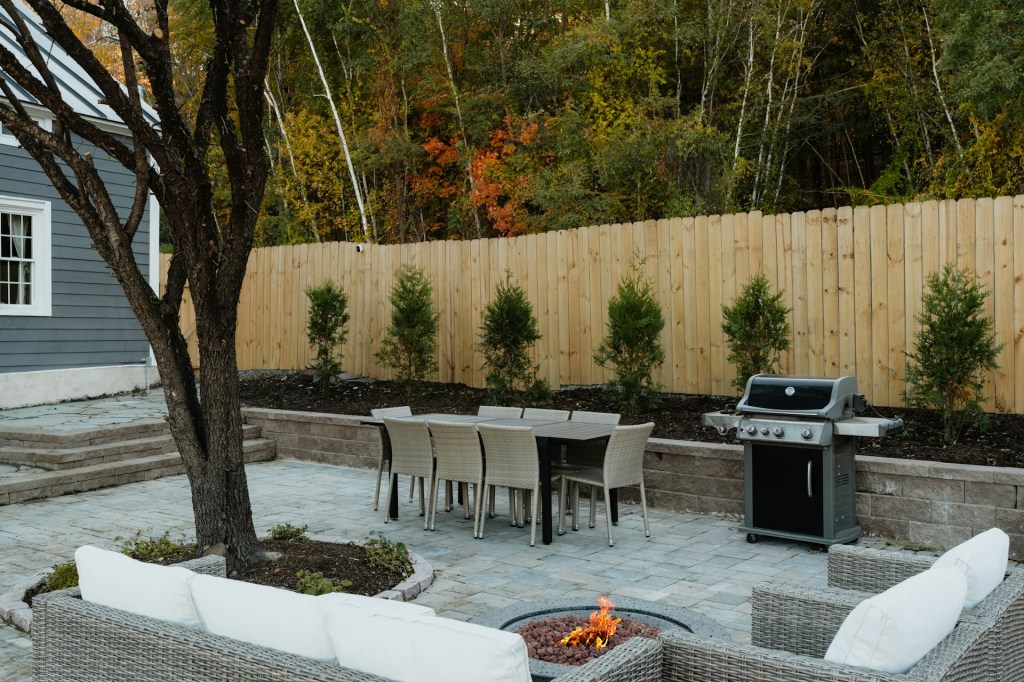
    An outdoor kitchen can turn your yard into the go-to spot for family and friends. Instead of running in and out of the house, you stay part of the fun while you cook. A basic setup usually starts with a built-in grill, counter space for prep, and storage for tools and supplies.

    In our warm climate, layout is about comfort as much as looks. A few smart choices include:

    • Placing hot cooking zones away from the main seating area  
    • Positioning equipment to catch natural breezes, not block them  
    • Adding a vent hood if the grill sits under a covered patio  
    • Keeping a clear path between the indoor kitchen and the outdoor one  

    Durable materials make a big difference in how your outdoor kitchen ages. We often see great results with porcelain or concrete countertops, masonry or stucco bases, and stainless steel appliances. Shade over the main work zones helps protect both the cook and the equipment from direct sun.

    Outdoor kitchens are very flexible, so you can match the style of your home remodeling in Gilbert, AZ while adding features that fit your lifestyle. Some popular add-ons are:

    • Beverage centers or under-counter fridges  
    • Pizza ovens or smokers for slower weekend cooking  
    • Bar seating where guests can hang out while you grill  
    • Open shelving or cabinets for dishes, seasonings, and tools  

    Cool, Comfortable Spaces for Day and Night

    Once you have shade and a place to cook, the next step is fine-tuning comfort so you actually want to spend time outside all day and into the evening. Shade blocks the sun, but cooling upgrades help the space feel inviting.

    For daytime comfort, we often suggest:

    • High-efficiency ceiling fans under patio covers  
    • Low-profile misters along beams or fascia boards  
    • Shade sails that stretch over play areas or side yards to create cooler pockets  
    • Outdoor-rated fabrics that do not heat up as fast  

    Hardscape choices also affect how hot your backyard feels. Dark, smooth concrete can soak up heat. Lighter-colored pavers or textured concrete are easier on bare feet. Breaking up big slab areas with artificial turf, planting beds, or gravel bands helps reduce heat buildup and adds visual interest.

    When the sun goes down, lighting and ambiance matter. Thoughtful lighting can make your outdoor space feel like an extension of your living room. We like to mix:

    • LED step lights on stairs or changes in level  
    • Soft string lights over dining or lounge zones  
    • Wall sconces or column lights along the house or perimeter  
    • Fire features that give off a glow and a cozy focal point  

    Privacy is another part of comfort. Screens, short walls, or tall planters can block direct views and soften wind without shutting off airflow. In tight neighborhoods, these elements help your patio feel more like a private retreat and less like a pass-through space.

    Low-Maintenance Outdoor Living for Busy Homeowners

    No one wants to spend every weekend fixing or cleaning their yard. When we design outdoor remodels in the East Valley, we focus on materials and layouts that are easy to live with and still look good over time.

    Durable, low-upkeep finishes for our climate often include:

    • Composite decking instead of traditional wood  
    • Concrete pavers that can be repaired one piece at a time if needed  
    • Stucco and stone accents that tie into the home  
    • Metal railings and details that resist sun and dust  

    Smart landscaping supports the hardscape. Drought-tolerant plants use less water and still give color and texture. Drip irrigation keeps water where plants need it, with less waste. Many homeowners pair artificial turf in high-traffic zones with real plants along the edges. Shade trees placed near patios, windows, or play areas can slowly grow into long-term cooling for your yard.

    Good storage keeps everything from feeling cluttered. Some simple ideas are:

    • Built-in benches with hidden compartments for cushions or toys  
    • Dedicated storage for pool gear, yard games, and outdoor cleaning tools  
    • Defined zones for dining, lounging, cooking, and play so items return to their “home”  

    Planning for low maintenance during home remodeling in Gilbert, AZ pays off for years. Thoughtful choices now can cut down on repairs, wear and tear, and weekend chores, while keeping your outdoor spaces looking fresh and inviting.

    Start Planning Your Summer-Ready Remodel Today

    Spring is the perfect time to plan an outdoor living remodel in the East Valley. Schedules tend to move fast as the days get longer, and it takes time to design, permit, and build a custom space. When you start early, your shade, outdoor kitchen, and new patio can be ready for those first big summer gatherings.

    We encourage homeowners to think of the yard as one connected system. Shade, cooling, cooking, seating, storage, and landscaping should work together, not feel like separate pieces. As a local Arizona-licensed general contractor, we understand how the desert climate affects materials, layouts, and comfort. When you are ready to explore options, gather a few inspiration photos, make a list of what does not work in your current yard, and be prepared to walk through your space with a professional who can help bring a summer-ready retreat to life.

    Get Started With Your Project Today

    If you are ready to update your kitchen, bath, or whole home, we are here to help you plan every detail and bring it to life. At LJ Builders, our team will walk you through design options, timelines, and budgets so you feel confident at each step. Explore what is possible with our home remodeling in Gilbert, AZ and see how we can tailor a project to fit your home and lifestyle. Reach out today so we can discuss your goals and schedule a time to get your remodel underway.
  • Desert-Ready Home Remodeling in Gilbert, AZ: Heat-Smart Upgrades

    Desert-Ready Home Remodeling in Gilbert, AZ: Heat-Smart Upgrades

    Turn Your Gilbert Remodel Into a Heat-Smart Haven

    Home remodeling in Gilbert, AZ, is not just about how things look. It is about how your home feels when the sun is beating down and the temperatures spike. If you are planning a remodel or addition, it pays to think about heat, sun, and dry air from the very start.

    A desert-ready home is built and finished to stay comfortable, efficient, and low stress, even when it is hot for long stretches. That means choosing the right materials, smart layouts, and systems that work with the climate, not against it. When you remodel with the desert in mind, rooms stay cooler, AC runs more smoothly, and finishes last longer.

    Our team at LJ Builders works across the Phoenix East Valley, including Gilbert, with this kind of planning in mind. We focus on organized project management, clean workmanship, and long-lasting results backed by a 2-year workmanship warranty. Let us walk through the key upgrades that can turn your next remodel into a heat-smart haven before the next long, hot season shows up again.

    Beating the Heat with Smarter Building Envelopes

    The building envelope is everything that separates the inside of your home from the outside. When it is done right, you keep cool air in and hot air out. During home remodeling in Gilbert, AZ, this is one of the most important places to spend time and attention.

    Stronger insulation and careful air sealing can make a big difference in how your home feels. Areas to focus on include:

    • Exterior walls in new additions or bump-outs  

    • Attic and roof areas where heat collects  

    • Gaps around doors, windows, and utility lines  

    Cool roofing products are another smart move. Roofing materials and colors that reflect more sunlight help your attic stay cooler. Radiant barriers and reflective roof coatings can cut down on how much heat pushes into the house from above. On the walls, light or reflective exterior paints and finishes help reduce heat gain too.

    Windows and patio doors are often the biggest weak spots. High-performance options with low-E coatings help block harsh sun while still letting in light. When we plan openings, we think about:

    • Orientation of glass toward east and west sun  

    • Shading with overhangs, awnings, or covered patios  

    • Frame materials that resist heat and movement in dry air  

    When these pieces work together, your home feels quieter, cooler, and more consistent from room to room.

    Cooling Comfort with Efficient Mechanical Systems

    A remodel is the perfect time to look at your HVAC system. In Gilbert’s triple-digit summers, an older or undersized system can struggle to keep up. That leads to hot rooms, noisy equipment, and higher energy use.

    Upgrading to a high-efficiency heat pump or AC system can improve comfort and help your home handle long stretches of heat. Smart thermostats add even more control, letting you:

    • Set different schedules for weekdays and weekends  

    • Adjust settings from your phone when plans change  

    • Keep an eye on temperature and run times  

    If you are adding on to your home or finishing a second story, zoning can be a smart choice. Zoning uses separate controls and equipment layout so different parts of your home can run at different temperatures. That way upstairs bedrooms, new additions, and main living areas each get what they need.

    Ductwork design is just as important as the equipment. During a remodel or new construction, we look at:

    • Duct size and layout so each room gets enough air  

    • Sealing connections so cold air does not leak into attics or walls  

    • Supply and return locations so air moves evenly through the home  

    When the system is planned around your new layout, you cut down on hot spots and wasted energy.

    Sun-Savvy Interiors That Stay Cool and Bright

    Inside the home, finishes and layouts can either trap heat or help keep it in check. For desert-ready interiors, we often suggest hard-surface flooring instead of thick carpet. Tile and luxury vinyl plank (LVP) stay cooler underfoot and clean up easily from dust and everyday life.

    Color choices matter too. Light-colored walls, cabinets, and counters help bounce light around so rooms feel bright without needing as many lights turned on. In a hot climate, that can help reduce heat build-up from fixtures and appliances.

    Smart interior choices include:

    • Breathable fabrics for sofas, chairs, and bedding  

    • Solar shades or layered window treatments to block direct sun  

    • LED lighting with dimmers so you can control brightness  

    The dry desert air and strong sun can be tough on materials. During home remodeling in Gilbert, AZ, it makes sense to choose products that resist cracking, fading, and moisture changes. For example, we pay attention to:

    • Moisture-resistant materials in bathrooms, kitchens, and laundry rooms  

    • Trim and caulks that handle movement without splitting  

    • Cabinet finishes and surfaces that stand up to high UV exposure  

    These details keep your remodel looking fresh and solid for a longer time.

    Outdoor Living Spaces Built for Desert Summers

    Many Gilbert homeowners want to spend more time outside, even when it is hot. The key is designing shade first, then everything else around it. Covered patios, pergolas, and extended rooflines can block harsh sun so you can enjoy the outdoors for more hours of the day.

    When we plan outdoor living areas, we think about:

    • Orientation, especially blocking late-afternoon west sun  

    • Roof extensions tied into the main structure during additions  

    • Pergolas that can hold fans, misters, or lights  

    Surface materials also change how hot a space feels. Pavers, concrete, and some composite decking options stay more comfortable underfoot than dark, dense surfaces. Heat-resistant hardscapes around pools and seating areas help keep the space usable when the sun is high.

    To take it even further, you can shape the yard into cooler pockets of air. Thoughtful touches include:

    • Misters along patios for a light cooling effect  

    • Ceiling or wall-mounted fans to keep air moving  

    • Trees, shrubs, and groundcover placed to create shade and reduce glare  

    When outdoor and indoor spaces are planned together, your home feels like one connected, desert-ready environment.

    Planning a Desert-Ready Remodel with LJ Builders

    Good planning is what ties all these pieces together. Starting design and permitting ahead of the hottest months gives enough time to think through layout, structure, HVAC, and finishes before construction begins. That way, you are not rushing big decisions when temperatures are already high and schedules are tight.

    At LJ Builders, we bring an organized project management approach to home remodeling in Gilbert, AZ and across the East Valley. We focus on clear timelines, steady communication, and a clean job site so your daily life is disrupted as little as possible. From additions and remodels to new construction, we plan for desert heat at every stage, from the foundation up to the roof.

    Every project is built for long-lasting performance, and our 2-year workmanship warranty gives added peace of mind that the work is made to hold up in our harsh climate. When your remodel is planned to be desert-ready, your home feels more comfortable, works more smoothly, and stays looking great for years of hot, sunny days ahead.

    Get Started With Your Project Today

    If you are ready to update your space with quality craftsmanship and clear communication, we are here to help every step of the way. At LJ Builders, we listen carefully to your goals so your remodel fits your lifestyle, budget, and timeline. Explore our home remodeling in Gilbert, AZ to see how we can transform your kitchen, bathrooms, or entire home. Reach out today so we can discuss your ideas and schedule a consultation.

  • Planning Multi-Phase Home Remodeling in Gilbert, AZ

    Planning Multi-Phase Home Remodeling in Gilbert, AZ

    Home remodeling in Gilbert, AZ, works best when it fits real life. Most families cannot clear out for months, write one big check, and be done. A smarter path is to plan the remodel in stages so you can stay on budget, stay in your home, and still reach the long-term vision you have in your head.

    Multi-phase remodeling means you and your contractor plan the whole house, then break the work into logical steps that happen over time. This matters in Gilbert because of fast-changing neighborhoods, HOA rules, city permits, and long stretches of very hot weather that affect when certain work can be done. With a clear plan, you can decide what to do first, how to time each phase, and how to keep your home livable while it all happens.

    Build a Remodel Roadmap That Fits Real Life

    Multi-phase home remodeling means you are not doing one giant project all at once. Instead, you:

    • Create a big-picture plan for the whole house  

    • Break it into stages that make sense, like kitchen first, primary suite second  

    • Spread those stages over months or years, as your time and budget allow  

    For Gilbert homeowners, planning ahead is extra important. We deal with long hot seasons, growing neighborhoods, and HOAs that often have clear rules for exteriors and additions. City permits, inspections, and scheduling also need to be lined up in the right order.

    When you map things out, you can:

    • Plan around school breaks and holidays  

    • Avoid opening up walls during the hottest months  

    • Keep your long-term design style and layout on track  

    The goal is simple: less stress, fewer surprises, and a home that keeps getting better each phase.

    Decide What to Tackle First and Why It Matters

    The order of your projects is not just about what seems fun. It affects safety, comfort, and how well later phases go.

    Safety and structure always come first. That usually includes:

    • Roof issues, leaks, or framing problems  

    • Old or unsafe electrical systems  

    • Plumbing problems that can cause water damage  

    Once those are stable, you can look at high-use spaces. Kitchens, primary bathrooms, and kids’ bathrooms usually bring the biggest daily quality-of-life change. A smaller project that you use every single day can feel more helpful than a big fancy guest room you rarely use.

    To sort through it all, start with a master wish list. Write down:

    • Must-fix items, like leaks or failing systems  

    • Code or safety upgrades  

    • Accessibility needs for anyone with mobility challenges  

    • Energy-efficiency ideas that can lower stress on your AC  

    • Nice-to-have style or design upgrades  

    Then rank each item by urgency, impact, and rough cost. This helps make sure phase one gives you real wins while also setting up good plumbing, electrical, and layout choices for later phases.

    Life stages also matter. Some common triggers for choosing what comes first are:

    • A new baby on the way, which might make bedroom and bathroom layouts more important  

    • Aging parents moving in, which can make first-floor bedrooms or walk-in showers a priority  

    • Work-from-home needs, which can move a home office or flex space to the front of the line  

    When your project list lines up with your life, the remodel feels helpful instead of stressful.

    Map Out Phases That Work with Gilbert’s Climate

    In Gilbert, the calendar matters just as much as the plan. Heat and sun change how comfortable a project feels, even if the work is indoors.

    Spring and fall are great for:

    • Additions or major layout changes  

    • Moving exterior doors and windows  

    • Projects that mean open walls or less efficient HVAC for a while  

    Summer is better for indoor work that keeps your home sealed as much as possible, like:

    • Bathroom updates  

    • Interior painting  

    • New flooring  

    • Smaller kitchen or laundry room refreshes  

    Crews can often start earlier in the morning, so your family can settle back into a normal rhythm later in the day.

    Many exterior updates work well in winter, such as:

    • Stucco repairs and repainting  

    • Roofing work  

    • Window replacements  

    • Energy-efficiency improvements that prepare your home for hotter months  

    Try to line up the noisiest or dustiest work with times your family is already out of the house. School breaks, kids camps, vacations, or busy sports seasons can all help reduce the feeling of living in a jobsite.

    Budgeting and Financing a Multi-Phase Remodel

    A phased plan can make a large remodel feel more reachable. Instead of paying for everything at once, you invest in each phase while still moving toward a single finish line.

    To build a realistic budget for each phase, think about:

    • Level of materials you want, like basic finishes versus higher-end options  

    • Labor costs based on how complex the work is  

    • Permit and design fees where required  

    • Temporary living or storage if a space is fully out of use  

    • A contingency fund, often 10 to 20 percent, for surprises behind walls  

    Gilbert homeowners often mix different ways to pay for projects. Common options include:

    • Cash savings for smaller or early phases  

    • Home equity loans or HELOCs for bigger stages  

    • Construction loans for major additions  

    • Refinancing when it makes sense long term  

    A good contractor can help you plan costs by phase, point out areas where prices are more likely to change, and show you where to spend more for long-term value and where simpler choices can still look good.

    Designing Each Phase to Work as One Master Plan

    Even if you remodel over years, the home should feel like it was planned at one time. That starts with a whole-house design discussion before any walls move.

    A strong master plan looks at:

    • Overall layout and how rooms connect  

    • Structural needs for future openings or additions  

    • Electrical and plumbing ideas that support later phases  

    • HVAC capacity so systems can handle future space  

    There are also hidden planning details that save money and headache later, such as:

    • Framing for future doors or windows you want to add later  

    • Running conduit or plumbing to areas you will finish in a later phase  

    • Leaving access points for future outdoor living or an accessory structure  

    To keep style consistent over time, many homeowners choose:

    • Neutral main flooring that can run through multiple phases  

    • Classic cabinet profiles that are easy to match later  

    • Simple trim and door styles that will still look good years from now  

    • A clear color palette that repeats from room to room  

    This way, each finished space blends with the next, even if they are built in different years.

    Choosing the Right Gilbert Contractor for a Long-Term Plan

    A multi-phase remodel is a long relationship. You want a contractor who will be there from the first conversation through the final punch list of the last phase.

    For home remodeling in Gilbert, AZ, it helps to have:

    • Proper Arizona contractor licensing  

    • Experience with East Valley cities and their permitting processes  

    • Comfort working with HOAs and architectural approvals  

    • Knowledge of desert-friendly materials and local energy codes  

    Good questions to ask in early meetings include:

    • How often have you done phased construction?  

    • How do you handle changes between phases?  

    • How do you document work so future phases tie in cleanly?  

    • What does your warranty look like across multiple stages?  

    At LJ Builders, we plan multi-phase projects with a clear written roadmap, keep detailed records from phase to phase, and adjust as your family, budget, or timing needs change. This long-term view is what turns a big remodel idea into a calm, step-by-step plan that actually works for real life in Gilbert.

    Get Started With Your Project Today

    If you are ready to reimagine your living space, we are here to help you plan every detail and bring it to life. At LJ Builders, our team will guide you through design, selections, and construction so the process feels straightforward and organized. Explore our home remodeling in Gilbert, AZ to see how we can transform your kitchen, bathroom, or whole home. Reach out today so we can discuss your ideas, timeline, and budget and map out the next steps together.

  • Maximizing East Valley Homes with Split-Level Renovations

    Maximizing East Valley Homes with Split-Level Renovations

    Reimagine Your East Valley Home with Split-Level Style

    Split-level renovations are a smart way to get more out of the home you already have. Many East Valley houses feel chopped up, dark in the middle, or tight when family and friends visit, especially after the busy winter visitor season. Instead of pushing out walls or going straight to a full second story, adjusting levels inside your home can unlock space that is already there.

    A split-level renovation means working with the floor levels in your home. That might include adding a partial level, raising or lowering a room, or opening the space between levels so they connect better. In our desert homes, this style works especially well because it lets in more natural light, improves airflow, and creates easier paths to the backyard, pool, or patio. You can gain usable square footage, get brighter rooms for our long Arizona days, and boost resale appeal in competitive Gilbert and East Valley neighborhoods, all while keeping the footprint sensible.

    Why Split-Level Renovations Fit the Desert Lifestyle

    East Valley living is busy and active. Families are working, kids are in activities, and visitors often pass through during the cooler months. Split-level layouts help keep that activity from feeling chaotic.

    With staggered levels, you can:

    • Keep a quiet office a few steps away from a busy living room  
    • Tuck a kids’ hangout or game zone half a level down from the main space  
    • Create a guest suite that feels private without a full separate wing  
    • Separate sleep spaces from TV and kitchen noise  

    This kind of layout gives you calm without needing to grow the home footprint in every direction.

    Split levels can also work with desert light instead of fighting it. Changing floor levels opens new places for windows, clerestory glass, or high side windows. That means:

    • More natural light without direct harsh sun in your eyes  
    • Better cross-breezes when you do open windows  
    • Shade where you want it and brightness where you need it  

    In the East Valley, indoor-outdoor living is a big part of daily life. Split-level designs often create natural transitions to patios, pools, and courtyards. A family room that sits just a few steps down from the kitchen can open to a covered patio at almost the same level. A mid-level landing can become a small reading nook that looks out over a pool or desert-style yard. These changes help your home feel connected to the outside all year.

    Smart Ways to Add Space Without a Full Second Story

    You do not always need a full second floor to gain real space. Split-level additions let you grow in a way that still feels right for your street and your lot.

    Some popular options include:

    • Partial-level additions over an existing garage  
    • A new half level along the rear of the home  
    • A raised primary suite that looks over the yard  
    • A lower media or flex room tucked into existing volume  

    These types of additions give you extra bedrooms, a playroom, or a home office without making the house look top-heavy.

    Inside, changing floor heights can also refresh dated features. Many older homes have sunken living rooms that feel closed off. We can raise those spaces to match the rest of the floor, then open them into a modern great room. The opposite can work too: a slightly raised dining or kitchen platform can create better views into the yard and a sense of separation without walls.

    Any time you change levels, there are structural and permitting details to think about. In Gilbert and nearby cities, that can mean:

    • Checking load-bearing walls and beam sizes before moving or removing them  
    • Making sure new stairs and railings meet safety codes  
    • Respecting HOA rules about heights and exterior style  
    • Paying attention to desert soil foundations and any needed reinforcement  

    Working with experienced home renovation contractors in Gilbert who understand local codes, soils, and neighborhood expectations helps keep your project safe and smoother from start to finish.

    Design Ideas That Modernize Dated Split-Level Homes

    Many older split-level homes already have the bones for something great. They just feel chopped up and dark. Opening the layout a bit can change everything.

    Inside the home, we often focus on:

    • Removing non-load-bearing walls to connect kitchen, dining, and living areas  
    • Widening stair openings so light can move between levels  
    • Replacing heavy closed railings with open or glass railings  
    • Aligning flooring so the whole space feels more connected  

    Material choices matter a lot in the desert. For floors, cool-tone surfaces that hide dust and stand up to sand from the yard work well. Textured wall treatments can add interest without feeling heavy. High-efficiency windows and shade-conscious patio doors help block heat while still bringing in light.

    Smart storage is another big win in split-level renovations. Under-stair space can become:

    • Pull-out storage for shoes and bags near the entry  
    • Hidden cabinets for cleaning supplies  
    • A compact homework or hobby nook  

    Entry levels are perfect for built-in benches with hooks and cubbies. Extra rooms can be set up as flex spaces that change with your needs, from remote work to multigenerational living or guest stays during busy seasons.

    Budgeting, Timelines, and Working with the Right Contractor

    Split-level renovations can range from light updates to major restructuring. The biggest cost drivers tend to be:

    • Structural changes, like moving or adding beams  
    • Reworking stairs, landings, and railings  
    • Moving plumbing for bathrooms or kitchens between levels  
    • Upgrading to high-efficiency windows or large patio doors  

    Planning ahead is important. For many East Valley homeowners, it helps to:

    • Use cooler months for planning and design  
    • Allow time for city reviews and HOA approvals  
    • Schedule the most disruptive work outside of peak-heat months when possible  
    • Build in some buffer for surprises inside older walls or floors  

    The right contractor will guide you through design, budgeting choices, and a realistic schedule. Regular updates and clear timelines make it easier to plan around school breaks, holidays, and visitors, and to protect your daily routine while work is happening in your home.

    How LJ Builders Elevates Split-Level Renovations

    As Arizona-licensed general contractors based in the East Valley, we work every day with homes that face the same sun, dust, and monsoon season that you do. For split-level projects, we pay close attention to how layouts handle light, shade, and airflow so the home stays comfortable all year. We also look for materials that stand up to heat, pool traffic, and everyday family life.

    Our team focuses on clear, steady communication. That means:

    • Talking through options so you understand what each change will do  
    • Sharing detailed timelines before work begins  
    • Giving regular updates so you know what is happening next  
    • Keeping the jobsite as orderly and respectful as possible  

    Because we handle home additions, remodeling, and new construction, we can keep your split-level renovation cohesive from start to finish. The goal is a home that feels natural on your lot, works with the East Valley climate, and fits your daily life for years to come.

    Get Started With Your Project Today

    If you are ready to update your space, LJ Builders is here to help you plan and complete a renovation that fits your home and lifestyle. As trusted home renovation contractors in Gilbert, we listen carefully to your ideas, walk you through options, and keep you informed at every step. Reach out today so we can discuss your goals, answer your questions, and schedule a convenient time to review your project in detail.

  • Maximizing Small Gilbert Homes with Smart Additions

    Maximizing Small Gilbert Homes with Smart Additions

    Living in a small Gilbert home can start to feel tight once life changes. Maybe you are working from home more, kids are getting bigger, or you are hosting family more often. When every corner is full, even a cozy house can feel rushed and cramped.

    Smart home additions can fix that. With the right layout, you can gain space, bring in more natural light, and add comfort without losing the charm of your home. In many Gilbert neighborhoods, from HOA communities to older streets with larger lots, there is usually a way to grow within your property line instead of moving.

    We want to walk you through practical ways to plan home remodeling in Gilbert, AZ. We will talk about how to decide what space you really need, ideas that work well with local homes, simple design tricks that make rooms feel bigger, and how to plan around Gilbert’s climate and rules so you are ready to start strong by spring.

    Identify What Your Small Home Really Needs

    Before thinking about walls and additions, it helps to get clear on what problem you are trying to solve. Extra space can mean many different things in a small Gilbert home.

    Some of the most common needs we see are things like:

    • A quiet home office for remote work or study  

    • An extra bedroom for guests or multigenerational family  

    • A larger kitchen or dining space for holidays and weekend gatherings  

    • A flex room for hobbies, workouts, or kids’ playtime  

    • Better storage so counters and floors are not always crowded  

    Walk through your home with a notepad. Pay attention to spots that always feel messy or cramped:

    • A crowded entry with nowhere to drop shoes or backpacks  

    • A garage that is doing double duty as storage and workspace  

    • A dark family room that everyone avoids in the evening  

    • Hallways that feel tight or confusing  

    Ask yourself how you actually use each room. For example, if the formal dining room is used twice a year, that area might be better as a flex space, and the addition could focus on a great kitchen and casual dining area instead.

    Next, think about your budget range and your ideal timeline. Some people want work done before summer break and backyard pool season. Others prefer to finish before the busy back-to-school period or before the monsoon pattern can affect outdoor work. Your budget and target completion date help shape whether you:

    • Add a small bump-out to an existing room  

    • Build a full new bedroom, office, or suite  

    • Do a larger remodel that updates layout, finishes, and storage at the same time  

    Smart Addition Ideas That Work for Gilbert Homes

    Gilbert homes come in many styles, from single-story ranch plans to two-story homes in HOA neighborhoods. The right addition should match your lot, layout, and any community rules.

    Some strategic room addition ideas include:

    • Adding a primary suite on the back or side of the house, so you gain a larger bedroom, bathroom, and closet all at once  

    • Converting a carport or covered patio into conditioned living space, when allowed, for a den, office, or guest room  

    • Extending the family room toward the backyard to create a bigger gathering area that connects to outdoor living  

    When you live in a place with so many sunny days, indoor-outdoor transitions are a big opportunity. We often see homeowners get great use out of:

    • Sunrooms or enclosed patios that feel like part of the living room  

    • Covered patios with big sliders that stack or pocket away, opening the house to the yard  

    • Multi-panel sliding doors that frame views of the pool or landscaping  

    Garage and casita additions are also popular in Gilbert. A well-planned garage or detached casita can work as:

    • A private guest suite for visiting family  

    • A quiet home office away from the main house noise  

    • A future rental unit if your zoning and HOA rules allow it  

    When a garage or casita is built to match the main home, it can add useful space and help property value over time. Working with an Arizona-licensed general contractor helps keep everything aligned with local expectations.

    Design Tricks to Make Additions Feel Bigger Than They Are

    Size on paper is only one part of the story. Clever design can make even a small addition feel open and airy.

    Natural light is a big part of that. Consider:

    • Larger windows that bring in soft daylight while using glass with good heat control  

    • Clerestory windows high on the wall for privacy and sky views  

    • Glass doors from the new space to the backyard, patio, or pool area  

    When your eye is drawn outside to trees, a pool, or a neat patio, your home feels bigger, even if the square footage did not jump by much.

    Layout also matters. Many families want spaces that feel open but still have some definition. We often like to use:

    • Partial walls or half-walls between kitchen and living areas  

    • Cased openings instead of standard doorways to define a room without closing it off  

    • Ceiling beams or changes in ceiling height to mark different zones  

    Materials and finishes help tie everything together. In a small Gilbert home, it usually works best to:

    • Run the same light flooring through old and new spaces to avoid choppy lines  

    • Choose a consistent, soft color palette on walls  

    • Use reflective surfaces like glass and some lighter counters to bounce light  

    • Repeat key materials, such as similar cabinet styles or hardware, so the addition looks original to the house  

    This is one of the keys to successful home remodeling in Gilbert, AZ: the new space should feel like it has always belonged there, not like a disconnected add-on.

    Building for Gilbert’s Climate, Codes, and Lifestyle

    Gilbert’s hot, sunny climate affects almost every design choice. When you add space, the new rooms should feel comfortable during long hot periods and cooler nights without stressing your HVAC system.

    For climate-smart construction, we pay close attention to:

    • Quality insulation in walls and ceilings of the addition  

    • Energy-efficient windows that limit heat gain while letting in light  

    • Proper HVAC sizing or adjustments so the new area is cooled evenly  

    • Shading from covered patios, overhangs, or well-placed windows  

    Local permits and zoning rules also shape what you can build. Setback rules, height limits, and HOA design standards all come into play for additions, garages, and casitas. Working with a licensed general contractor who is familiar with the Gilbert permitting process can help keep your project safe, legal, and on track.

    Finally, think about how your needs might change. Future-ready planning can include:

    • A home office that can easily turn into a bedroom later with a closet and door layout that makes sense  

    • A flex room with a pocket door so it can be open for daily life or closed for guests  

    • A casita with plumbing and layout that could support long-term stays or possible rental use  

    Designing with this kind of flexibility in mind helps you get more value from your property over the long run.

    Plan Your Gilbert Home Addition with Confidence

    Timing your project matters. If you start design work and permitting in late winter, you are better positioned to begin construction as spring arrives. That way, many of the big steps can be finished before the peak summer heat and active storm periods, which often complicate schedules and outdoor work.

    When you are ready to choose a partner for home remodeling in Gilbert, AZ, it helps to look for:

    • An Arizona-licensed general contractor  

    • Experience with additions and remodels in the East Valley  

    • Clear, simple communication about process and expectations  

    • A portfolio of work that feels similar to what you want for your own home  

    At LJ Builders, we focus on helping homeowners get more from the space they already have. By reviewing your current floor plan, listening to your wish list, and planning in phases if needed, we can help your small Gilbert home grow with your life, instead of holding you back.

    Get Started With Your Project Today

    If you are ready to transform your space, our team at LJ Builders is here to help guide every step of your remodel. Explore our home remodeling in Gilbert, AZ to see how we can tailor a solution that fits your home, budget, and timeline. We will listen to your goals, offer practical ideas, and coordinate the details so your project runs smoothly from start to finish. Reach out today so we can start planning the updates that will make your home work better for you.

  • What Makes Client-Focused Remodeling Services Stand Out

    What Makes Client-Focused Remodeling Services Stand Out

    We have always believed that remodeling is not just about walls, flooring, or fixtures. It is about the people living in those spaces and how changes affect their day-to-day life. That belief led us to focus on client-focused remodeling services. For us, it means shaping every part of the project around the homeowner’s needs, routines, and expectations. Trust and clear communication are necessary when a family is adjusting to work being done in their own home. Whether it is a kitchen in progress or major repairs across the house, how the project is managed makes a big difference in how people feel living through it.

    We have seen that when homeowners feel listened to and respected, everything runs more smoothly. That is what pushes us to take a thoughtful, practical approach to every detail, not just the end result.

    Respecting the Client’s Space and Daily Life

    When someone lets us into their home, we know that space means something personal to them. That is why we start by planning each step around how the house is used on a typical day. Every family has its own rhythms. Maybe young kids nap in the afternoons, or someone works from a home office by the kitchen. Keeping that in mind helps us pick hours that work better for the household and avoid needlessly disrupting important routines.

    Cleanliness takes priority, too. Construction work can bring in dust, debris, and noise, but there are ways to control that:

    • We seal off work areas to keep the rest of the house clean and safe

    • We cover flooring and furniture near the site to prevent damage

    • We limit access so no one has to walk through unfinished areas unless necessary

    Being careful with someone’s home earns trust. In many cases, it helps the job get done with fewer delays. We have learned that a home handled with care makes the process less stressful for everyone involved.

    Prioritizing Communication from Start to Finish

    Nothing creates frustration faster than silence. We take communication seriously and keep it consistent. That starts early with an honest look at what the project will involve, how long it should take, and what steps we will follow. As things progress, we check in with daily or weekly updates depending on how the schedule is laid out.

    Any time something unexpected comes up, like a delay in materials or a hidden problem behind a wall, our first move is to talk with the homeowners about what is going on. We keep budgets clear and changes documented. That includes having someone available to answer questions when new ideas come up or when priorities shift during the project.

    By setting expectations clearly and adjusting when needed, we help remove guesswork and make sure nobody ever feels out of the loop.

    Customizing the Plan to Reflect the Client’s Vision

    No two homes need the exact same remodel. That is why we do not just offer a list of options and call it done. We take time to understand what each homeowner wants their space to feel like, not just what they want it to look like. This part of planning might involve a deeper conversation about lifestyle and long-term plans.

    • Are you planning to stay in the home for decades, or looking to improve it before a future move?

    • Do you want open and shared spaces or quieter, more private areas?

    • Are there trade-offs you accept if it helps your budget stretch further where it matters most?

    We help homeowners sort that out before building starts. When problems pop up or decisions need to shift, we are already working from a shared vision, making it easier to find the right path forward.

    Solving Real-Life Problems, Not Just Cosmetic Ones

    On the surface, a remodel might look like it is about nicer finishes or updated styles. More often than not, the real reason someone wants to change their home is because something about it does not work anymore. Maybe it is a cramped kitchen that turns dinner into a chore, a bathroom that is hard to clean, or closets that are not keeping up.

    That is why we look deeper:

    • We fix layout oddities that cause daily friction, like narrow hallways or clunky room connections

    • We improve storage where it matters, like adding shelves near busy entry points or expanding pantries

    • We offer changes that bring more peace of mind, like better lighting, safer walkways, or quieter flooring

    Client-focused remodeling services go beyond the look of a project. They ask, “What could work better here?” That question often points us toward upgrades that truly improve how people live each day.

    Building for Arizona Winters and Beyond

    In Arizona, late winter means dry air, cooler nights, and steady sun during the day. We pay attention to those seasonal cycles to make smarter remodeling choices. If a project is happening during February or early March, we are often thinking about longer-term comfort as the seasons shift.

    • Better insulation helps keep rooms more consistent when nights get cold

    • Airflow planning matters, so heating and cooling work together, not in competition

    • Window placement can add light in winter but still block heat when summer returns

    We avoid materials or systems that do not hold up well under Arizona’s yearly changes. Even the timing of certain tasks gets adjusted based on humidity or outdoor temperatures. Being tuned into the local climate helps us make suggestions that last past the current season and feel good no matter what the thermometer says.

    As a design-build remodeling company with over 20 years of experience in the Chandler, Arizona area, LJ Builders brings local insight and on-site problem solving to every project. We handle everything from kitchen and bath renovations to additions and restoration, always aiming for quality and fair pricing.

    Making the Experience Worth It

    We have met lots of homeowners who dread the idea of remodeling. Not because they do not want the change, but because they expect the process to be hard. That does not have to be the case. With a solid plan and clear communication, it can feel like growth, not disruption. The right approach brings less stress, fewer surprises, and more confidence in the result.

    We focus on making people feel heard, not just managed. That shows up in the way we keep workspaces neat, the calls we return quickly, and the flexibility we show when change is needed.

    When a project is finished, we want more than good craftsmanship. We want homeowners to feel like every step along the way respected their space and centered their needs. For us, that is what a good remodel comes down to. It makes a house feel new again and leaves behind peace of mind as well.

    Remodels Centered Around You

    Planning changes to your home starts with working alongside a crew that listens before ever lifting a hammer. We build around your routines, not just blueprints, and that is what makes our approach to client-focused remodeling services truly work. From tight timelines to shifting needs, we stay flexible so everything stays on track and feels right in the end. LJ Builders puts people first through clarity, respect, and steady follow-through. Let’s talk about what your home needs and how we can make it fit your everyday life.

  • How Bathroom Remodel Specialists Handle Cold-Weather Builds

    How Bathroom Remodel Specialists Handle Cold-Weather Builds

    Winter remodels in Arizona don’t always mean grappling with snow or freezing conditions, but they do come with their own quirks. The season feels quieter, more settled, and that makes it a good time to focus on indoor remodeling work. We’ve learned over the years that bathroom projects this time of year require extra attention to timing, indoor climate, and daily schedules. That’s where experienced bathroom remodel specialists really make a difference. Even with Arizona’s mild winters, winter construction calls for some smart adjustments.

    Our goal is always to keep progress steady while making sure the household stays livable, warm, and safe. For anyone considering a bathroom update during the winter months, it helps to know what kind of changes the season brings to the work.

    Planning for Cooler Temperatures

    Cold mornings can drag out a workday before it even gets started. Even in places that don’t deal with snow, early winter air slows drying times and makes materials harder to handle. That’s why we shift the schedule when needed, starting with indoor prep work, demo, and other low-disruption tasks during the coldest parts of the day.

    Once the sun starts to warm things up, we move into more active phases like plumbing and tile setting. These changes may seem small, but spreading the hard stuff into warmer hours keeps projects moving forward without cutting corners.

    We also get into tighter planning when it comes to utilities. Winter bathroom remodels usually mean managing one or more periods where water is shut off. That window needs to be as short as possible to keep life running smoothly. Careful coordination with suppliers and crew makes that happen without delays.

    Moisture and Ventilation Considerations

    Bathrooms, no matter the season, need solid ventilation. But during colder weather, steamy showers and cooler outdoor air can lead to more condensation if airflow isn’t carefully managed.

    We double-check vent fans and ductwork before sealing up any part of the space. If vents or windows need to be temporarily closed off during the remodel, we use temporary setups that redirect air to avoid damp corners.

    This is especially helpful when finishing details like paint, grout, or caulk are setting up. Drying time can stretch during chilly days, so we use fans and heating when needed to balance temperatures and airflow. It all helps keep materials drying evenly and the space comfortable, even while work is in progress.

    Keeping the Household Comfortable During Winter Work

    One big reason people hesitate to schedule remodeling in January is the idea of living in a construction zone during colder months. That worry makes sense. Nobody wants cold drafts or clouded-up rooms when things should feel cozy inside.

    To keep a house warm while a bathroom gets remodeled, we make a few adjustments:

    • Set up temporary barriers to isolate the work zone from nearby rooms

    • Use lightweight plastic walls to hold in construction dust and hold out cold air

    • Adjust thermostat settings for sections of the house where airflow may be changed

    We also look at small fixes that make a big difference. Covering exposed vents, sealing off unused doorways, and using targeted heaters in workspaces help avoid cold spots. These little steps go a long way in keeping the home livable while the bath gets updated.

    Choosing the Right Materials for Seasonal Shifts

    Cooler weather doesn’t just affect how we work, it affects what we work with. Not all building products behave the same across seasons. Some adhesives and fillers take longer to cure when temperatures drop. Others may not bond the same way unless a room stays within a certain temperature range for a day or more.

    That’s why we use materials that are known to stand up to mild winter weather. Tile, grout, and paint come in different formulas, and when it gets cooler, we pick the ones designed to perform better in those conditions. Timing matters here too.

    • Grout and caulk benefit from added drying time between coats

    • Paint may need longer before applying a second layer

    • Sealants and adhesives are often chosen based on temperature-tolerance ratings

    We plan each step based on how the material reacts in January, not just how it’s expected to act in spring or summer. That extra attention improves the way things finish and last over time.

    How Experience Streamlines Winter Remodels

    We’ve handled enough winter builds to know they don’t need to take longer or cost more, just smarter planning. From keeping material deliveries on time to making sure each bathroom function is restored as quickly as possible, experience helps us avoid a lot of the slowdowns that can creep into cold-weather jobs.

    LJ Builders brings over 20 years of combined experience to both residential and commercial remodeling in Chandler, Arizona, and the surrounding area. With a design-build service model, we work closely with homeowners to prepare for every step, from project planning and scheduling to quality control.

    Bathroom remodel specialists stay ahead of common delays by thinking a few days out at every step. That might mean rescheduling plumbing work on a warmer day or adjusting work order so we’re not sealing tile in a room that’s still too cool to dry right.

    It’s not about speed, but about steadiness. We want our projects to feel like a seamless part of daily life, even during colder months. Some of the most stress-free renovations we’ve done have taken place during winter simply because they were planned with more lead time, cleaner steps, and smarter task grouping.

    Smart Timing Leads to Smoother Results

    Mild winters like ours give us plenty of reasons to keep building through cooler months. A well-timed winter remodel avoids the summer rush, gets done when families tend to spend more time inside, and helps prepare the home for busy seasons ahead.

    With the right prep, it’s possible to update a bathroom during winter without losing comfort or momentum. Taking care of heating zones, choosing better materials, and structuring work with cold weather in mind doesn’t just keep the project on track, it makes day-to-day living smoother throughout the process.

    We shape our work around what the season brings, not in spite of it. That mindset makes winter one of the best times for indoor improvements when handled with skill and attention.

    Remodels That Keep Pace with Winter Life

    Winter projects move smoother when everything is timed right and planned well from the start. That’s why our approach with bathroom remodel specialists focuses on small details that keep comfort, timing, and quality in check even when colder weather tries to slow things down. We’ve worked through enough winter builds to know what works best when the temperature drops but expectations stay high. At LJ Builders, we make sure the remodel fits your life, not the other way around. Contact us to talk through a winter plan that fits your space and schedule.

  • Creating a Seamless Flow in Home Renovation Projects

    Creating a Seamless Flow in Home Renovation Projects

    A well-designed home isn’t just beautiful to look at. It feels easy to live in. When a renovation flows naturally from room to room, daily life becomes simpler and more enjoyable. From thoughtful layout changes to intentional design choices, creating a smooth transition between spaces makes a big difference in how a home works and feels.

    That kind of transformation takes good planning. Comprehensive home remodeling handles more than surface-level updates. It connects each part of the project so the updates feel like they belong together. Whether you’re opening up your living area, reworking outdated spaces, or adding something entirely new, the goal is to make sure everything ties together in a practical and welcoming way.

    At LJ Builders, we’ve worked with homeowners for years to help turn big renovation ideas into homes with flow, purpose, and comfort.

    Planning Your Renovation

    Before any demolition begins, the planning stage sets the tone for the entire project. Without clear direction at the start, even small issues can snowball once construction begins. Good planning helps avoid this. It gives the project a framework and ensures that different parts come together smoothly down the line.

    Here are a few things that make the planning stage more effective:

    1. Set clear goals: Think about how you want to use the space. Is it about creating better connection between rooms, more storage, or allowing more light indoors? Maybe you’re planning for a growing family or changing lifestyle. Knowing your goals helps shape decisions along the way.

    2. Prioritize updates: Every renovation has wants and needs. Separating those keeps the big picture in focus. If surprises happen mid-project, it’s easier to adjust when the core priorities are already laid out.

    3. Map out your timeline: Timelines help organize what work gets done first and what follows. Planning around holidays, work-from-home schedules, or travel plans can prevent unnecessary stress.

    4. Make your budget real: Don’t just guess. Creating a budget that covers materials, labor, permits, design, and a little extra for the unexpected leads to fewer delays and more confidence throughout the remodel.

    The planning stage is also the time to bring in a team that sees possibilities and pitfalls early. One homeowner we worked with almost lost valuable natural light because a layout change would have covered up a bathroom window. Our design team stepped in, adjusted the plan, and saved the openness and light while still achieving the room extension.

    That’s the difference strong planning makes. Each finish, fixture, and decision feels intentional because it all stems from a clear beginning.

    Designing With Flow in Mind

    When your renovation moves into the design phase, the focus shifts toward how rooms connect. This is where flow really starts to take shape.

    Start by walking through your home and noticing how the spaces feel. Are there areas that seem cut off from the rest of the house? Are some spots overly cramped or dark? Do you have to zigzag around walls or furniture to move from one place to another? These signs point to places where the layout or design can be refreshed.

    Open floor plans are still one of the best tools for improving flow. Taking down walls between the kitchen, dining, and living rooms creates shared space that encourages interaction. But open layouts don’t work in every home the same way. Sometimes it’s about half-walls, wider openings, or adding archways to build connection while keeping definition between areas.

    Consistency is key when improving the flow through design. A few ways to create that cohesion include:

    – Using the same or similar flooring throughout common areas

    – Choosing finishes that align across rooms

    – Sticking to a color palette that moves softly from space to space

    – Repeating design elements like trim shapes or metal finishes

    Even little details make a difference. Matching cabinet finishes across different rooms or copying the curve of a doorway into a piece of furniture ties everything together visually.

    Flow also happens in the spaces in between. Wide entries, hallways, and transition zones need just as much design attention. Light, flooring continuity, and wall treatments in those areas can make passing through rooms feel effortless.

    The goal isn’t to make everything look identical. It’s to make the shift from one room to the next feel natural and connected.

    Execution and Coordination

    Once design decisions are in place, the next step is making it all happen. This phase is about action, execution, and teamwork.

    One of the biggest stressors during a remodel is timing. Different tasks are connected, and delays in one area can impact the next. Wiring, framing, plumbing, HVAC, drywall, flooring—the sequence matters, and keeping everything on schedule is what turns a good plan into a successful renovation.

    Here’s how we keep things on track:

    – A shared job schedule so each trade knows when to begin and finish

    – Clear communication so everyone understands expectations

    – On-site supervision to catch small issues before they cause larger delays

    – Quick decisions to resolve design or material updates

    Even with the best plan, things can shift. One project ran into an issue with the old foundation line under a kitchen addition. Instead of slowing things down, our team adjusted the footing, stayed on schedule, and kept the rest of the remodel moving efficiently.

    That’s the power of coordination. When all the trades work as one unit, your renovation runs smoother and finishes stronger.

    Final Touches and Personalization

    As construction nears the finish line, final touches help uncover the home’s personality. These aren’t just decorations—they’re what pull the design together and make the house feel lived in and loved.

    This stage is where you bring in charm, comfort, and function. You’ve already planned layout, structure, and major decisions. Now, it’s about personalization.

    Here are a few ways to tie it all together:

    – Choose lighting that warms the space and highlights design features

    – Use matching or coordinating hardware across rooms

    – Layer in texture with curtains, wood accents, or rugs

    – Incorporate built-ins that serve both storage and aesthetics

    – Display décor with meaning or family value

    Lighting is one of the most overlooked tools here. Swapping out dated fixtures for warm pendant lights or under-cabinet strips can change how a kitchen or living room feels instantly. Accent lighting in hallways or shelves adds depth and makes spaces feel intentional.

    We always guide homeowners to think about their habits. Do you read by the window in the mornings? Maybe a cozy bench and overhead light make perfect sense there. Drink coffee in the kitchen every day? A small built-in nook could be the right fit.

    Design should never overpower daily function. At this point in the process, your home should reflect your taste, your schedule, and the way you move through life.

    Transform Your Home with Expert Help

    Creating flow in a home renovation means more than smooth walking paths or matching paint. It means aligning every part of your home—from walls and floors to lighting and layout—so it all works and feels right together.

    We believe that a good renovation tells a complete story. At LJ Builders, our approach to comprehensive home remodeling connects each layer of the project with the next. From the early sketches to the final nail, we help homeowners create spaces that are both timeless and livable.

    Whether you’re opening up rooms, blending an addition, or just trying to improve how your home fits your life, let’s make sure it all connects.

    Thinking about giving your home a fresh start? To make sure the transformation aligns perfectly with your needs, explore our approach to comprehensive home remodeling, where every detail is handled with care from start to finish. At LJ Builders, we’ve got the skills and insights to bring harmony and function to your living spaces. Let’s craft something wonderful together.

  • Signs You Need to Upgrade Your Home’s Interior

    Signs You Need to Upgrade Your Home’s Interior

    Your home should be a place that feels welcoming every time you walk through the door. It’s where life happens — dinners with family, relaxing after a long workday, hosting friends, and watching kids grow up. So when your space starts to feel outdated or cluttered, it doesn’t just affect looks. It can impact how well your home works for your everyday life.

    Interior upgrades are about more than following trends. Remodeling gives your home a fresh look and solves problems all at once, whether that’s a kitchen that always feels too tight or a bathroom that never seems to have enough storage. If things feel off, it might be time to take a closer look at what parts of your home could use a change.

    Outdated Design Trends That Date Your Home

    Some design choices stick around for a while, but others instantly signal the decade they came from. It’s easy to grow used to what’s around you, so spotting outdated finishes might not happen until you compare your home to newer ones or flip through current interior photos online. Once you start noticing, though, it’s clear that certain features like popcorn ceilings, glass block windows, or thick wallpaper borders can make your home feel stuck in the past.

    Outdated materials like honey oak cabinets, laminate countertops, or brass light fixtures can also drag down the feel of a room, even when everything is clean and in good condition. Color choices play a role too. Heavy earth tones from the early 2000s or pastel shades from earlier decades don’t always blend well with modern furniture or appliances.

    Modernizing doesn’t always mean tossing every older piece. Some features can be updated with new finishes or by mixing in newer details. Often, though, a full remodel gives you the chance to build a more cohesive and updated look from the ground up. You can mix textures, balance neutrals, and include statement features without clashing styles from every decade.

    For example, one homeowner had dark stone tile throughout their living room and kitchen that had looked fresh in the 90s, but made the whole space feel closed off. By shifting to light-colored engineered wood and neutral walls, the entire area opened up without knocking down a single wall. Sometimes small design swaps make a huge impact.

    If you look around and feel like your home doesn’t quite match how you want it to feel anymore, pay attention to the design details. They’re often the first sign that it’s time to refresh your space.

    When Wear and Tear Takes Over

    Even the most thoughtfully designed spaces can start to look tired after years of daily use. Those scuff marks on baseboards or nicks on cabinet doors might not have seemed like a big deal at first, but over time, signs of wear add up. If your home has chipped paint, loose tiles, or flooring that’s seen better days, those flaws can start to feel like more than cosmetic problems.

    Here are some common signs that your home is wearing out and might be ready for an upgrade:

    – Wood floors with deep scratches or warped boards

    – Carpet with stains that no amount of cleaning will remove

    – Faucets or handles that jiggle, leak, or don’t work smoothly

    – Paint that’s faded, peeling, or stained

    – Countertops with cracks or damage near high-use areas

    Living in a space that constantly needs little fixes can feel frustrating. It also tends to snowball. One issue spills into another, and before you know it, the whole room starts to feel rundown. That’s where remodeling steps in — not just to fix what’s broken, but to refresh and improve the spaces that matter most.

    A new coat of paint can definitely help, but if surfaces or finishes have passed their lifespan, broader upgrades might be the smarter choice. Flooring can be replaced with materials that not only look better but also last longer and are easier to clean. Outdated fixtures can be swapped out for modern ones that match your current style while improving day-to-day use.

    Instead of constantly patching up old problems, a full remodel gives you a clean slate. It’s a chance to design your home for how you live today, not just how it was built years ago. When everything works the way it should and looks how you want it to, it’s easier to enjoy every moment at home.

    Frustrating Layout That Doesn’t Work

    Even the nicest finishes won’t make up for a layout that feels uncomfortable. If your kitchen feels crammed, your living area lacks flow, or the bathroom is too tight for more than one person at a time, it speaks to an issue with overall layout. Often, homes that were built decades ago simply weren’t designed with today’s open lifestyles or growing families in mind.

    Some common signs that your home’s layout might be working against you include:

    – Awkward room transitions that make movement between spaces clunky

    – Narrow hallways or doorways that limit furniture placement

    – A closed-in kitchen that cuts the cook off from family or guests

    – Bathrooms without enough elbow room or storage for daily use

    – Wasted space, like unused corners or nothing but walkways

    Changing up a layout may sound like a big move, but sometimes it’s the only path to real comfort and better function. Remodeling with layout in mind isn’t just about knocking down walls. It’s about thinking through how you use the space — from how people enter the home to where you drop your keys and how traffic flows when guests are around. Opening up a kitchen to the dining and living area, for example, can transform how you entertain without changing the footprint of your home.

    In one project, a family with young kids had a kitchen that was cut off and narrow, plus a dining space they barely used. By taking down the non-load-bearing wall between the two, the kitchen got brighter and connected to the seating area. What felt tight before suddenly leaned into how they lived — eating meals together, moving freely between pods of activity, and feeling more connected.

    If you find yourself working around your home because of its layout instead of enjoying it, that could be a clear sign it’s time for change.

    Not Enough Storage Creates Daily Stress

    Living without good storage is something many people tolerate, but it can really affect how peaceful and tidy your home feels. Having too little storage doesn’t just lead to clutter. It can make daily tasks harder — whether that’s digging through crowded drawers in the bathroom or stacking too many boxes in the garage.

    You might be short on storage if:

    – Closets are overflowing, even after decluttering

    – Kitchen counters are full because cabinets can’t hold your essentials

    – Kids’ toys, shoes, and jackets constantly spill into living areas

    – Laundry and linen closets don’t keep up with your routine

    – You rely on bins or racks just to squeeze more out of each room

    Smart remodeling can fix this with purpose-built storage that fits the layout and style of your home. It’s not about adding more bulky furniture or plastic containers. It’s about using the space you already have in a smarter way. Features like custom pantry cabinets, under-stair storage, built-in bookshelves, or mudroom cubbies don’t just organize your life — they blend right in with your home’s look.

    If your bathroom only has one small vanity and nowhere to put towels, adding recessed shelving or vertical cabinetry can double your function. If your entryway is constantly messy, adding a built-in bench with hooks and cabinets provides a spot to unpack and settle, especially for busy households.

    It’s easy to get used to cramming things wherever they fit, but once you live in a space with proper storage, everything clicks into place. Life runs more smoothly, and you spend less time cleaning or reorganizing. That constant struggle with mess? It’s often less about being untidy and more about the bones of the home not supporting your daily needs.

    Give Your Home a Fresh Start

    Sometimes, you don’t realize just how much your home isn’t working for you until you step into a redesigned space that gets it right. Whether it’s fresh finishes, a smarter layout, or simply having places to put things, these changes make home life flow better. They turn your space into something that finally matches your pace and style.

    If you walk around your house and notice more flaws than you did a few years ago, you’re not alone. It’s easy to overlook them while you’re busy managing daily life. But these small frustrations build up. And when comfort takes a hit or the space no longer fits, it might be time to make a change.

    Upgrading isn’t about chasing trends or copying what other people are doing. It’s about making your home work for you — your style, your pace, and your routine. A remodel gives you a chance to reset. Not only to refresh what’s there, but to rethink how each area could boost your day rather than get in the way.

    Looking at the signs early helps you avoid constant patch-ups or short-term fixes that waste money in the long run. Whether you’re feeling boxed in by a bad layout, held back by lack of storage, or just tired of what you see every morning, there’s a way forward. All it takes is that first step.

    Ready to transform your home into something truly remarkable? Dive into luxury home remodeling with LJ Builders, where every corner of your space gets the attention it deserves. From new layouts that optimize flow to storage solutions that keep everything tidy, we’re here to listen and deliver. Let’s bring your vision to life and start creating a more functional, beautiful home today.

  • Planning a Home Remodel That Increases Property Value

    Planning a Home Remodel That Increases Property Value

    Planning a home remodel isn’t just about updating what feels outdated. It’s a chance to make your home more comfortable while also helping it grow in financial value. When done with a clear purpose and smart choices, upscale home renovations can turn your space into something that feels fresh and works better for you and your family right now. Plus, they set you up for long-term value down the line if you ever decide to sell.

    Whether you’re adding square footage, improving flow, or modernizing finishes, smart planning can help transform your house into a place that fits your lifestyle more closely and stands out on the market later.

    Setting Clear Remodeling Goals

    Every solid remodel starts with clear goals. Without knowing exactly what you want out of the project, it’s easy to get off track. Are you improving how the home functions day to day? Trying to add comfort or style? Or are you thinking ahead to resale value?

    Start by asking yourself:

    1. Why are you remodeling? Do you want more space, better organization, or a refreshed look?

    2. Which rooms matter most? Is the kitchen always too cramped? Is the bathroom outdated?

    3. How long will you live here? Short-term updates might focus more on resale, while long-term plans should center on everyday comfort.

    For example, if clutter’s an issue, built-in storage in your mudroom or expanding closet space could help. If the family gathers in the kitchen but the space doesn’t flow, opening up the layout could solve that. Matching your changes to your real needs makes the remodel more worthwhile.

    Once your goals are set, they’ll help guide every decision that follows. From choosing paint colors to picking appliance models, you’ll measure every option against your original purpose. That way, you’re spending time and budget where it matters most.

    Budgeting and Financing for Upscale Renovations

    Having a plan is great, but figuring out how you’re going to pay for it is what turns ideas into real changes. Whether you’re doing a full kitchen remodel or just updating floors, outlining a realistic budget helps the project run smoother.

    Here’s how to keep your budget smart and flexible:

    – Make a list of must-haves versus nice-to-haves

    – Research typical costs for your type of project and area

    – Build in a buffer for the unexpected

    – Look at which changes you could do in stages if needed

    After the numbers are in place, figure out the best way to pay for the remodel. Some good financing options include:

    – Using personal savings

    – Taking out a home improvement loan

    – Applying for a home equity line of credit

    – Refinancing with a cash-out mortgage

    Let’s say you’re transforming your bathroom. You might use savings for fixtures and materials that you’re excited about, while financing labor with a loan. This blend gives you more control and keeps your project from becoming financially overwhelming.

    Starting with a clean financial plan keeps things clear, reduces stress, and helps every part of your remodel run more smoothly from start to finish.

    Choosing High-Impact Upgrades That Add Value

    With your goals and budget sorted, pick upgrades that give the most return. Certain parts of a home have better paybacks than others. Kitchens and bathrooms are usually the best places to invest, as they’re used daily and tend to matter most to buyers.

    Think about it like this:

    – A kitchen with smart storage, quartz counters, sleek lighting, or new layouts can completely change the feel of a home

    – Bathrooms with walk-in showers, floating vanities, and good lighting offer better function and a fresh look

    Don’t forget about how your home looks from the outside. Even small curb appeal changes make a difference. Try updating the front door, replacing the garage door, or adding fresh trim and paint. These make your home more inviting and feel well cared for.

    Consider these projects if you’re aiming for both use and long-term value:

    – Kitchen updates with better flow and durable finishes

    – Bathroom remodels using current layouts or adding space-smart features

    – Exterior upgrades like paint, siding, and windows

    – Lighting improvements inside and out

    – Smart home upgrades that blend function with tech, like thermostats or touchless faucets

    Your home shouldn’t just look modern, it should make sense for how you live. These types of upgrades make your house easier to enjoy, and they often get noticed if and when it’s time to sell.

    Hiring the Right Professionals

    A strong plan and a set budget are great steps, but none of it works without the right team. Skilled contractors are the ones who turn your vision into rooms you actually get to live in. They make sure things are built right, projects stay safe, and timelines are realistic.

    When choosing a contractor, look for someone with experience and a clear process. Good communication upfront keeps things moving later. You want someone who listens, problem solves, and helps make your vision even stronger while staying within your budget.

    Here’s what to check before hiring:

    – Ask for examples of their past work, especially projects like yours

    – Compare timelines and communication styles

    – Make sure they have valid licensing and the right insurance

    – Review the contract clearly and ask questions

    – Pay attention to how they answer—vague or rushed responses can be a signal to keep looking

    Working with the right contractor means less worry and more results. They’ll handle details you might not think about, catch obstacles early, and make sure your space not only looks great but functions well too.

    Making Upgrades That Work for Today and Tomorrow

    Once everything’s built and finished, your renovation needs to work today—and keep helping you in the future. The smart path is to choose upgrades you’ll enjoy now but that still hold appeal if you sell years from now.

    That means steering clear of ultra-trendy designs that could age out quickly, and instead going for classic materials and thoughtful layouts. Comfort upgrades like better insulation or HVAC replacements can improve daily life now while lowering utility bills for the future.

    Other smart moves that strike a balance between comfort and value:

    – Use wood, stone, or tile in colors that age well

    – Open up cramped layouts without losing cozy vibes

    – Choose energy-efficient lighting or appliances

    – Install features that simplify life like soft-close cabinets or touch faucets

    – Keep a folder of all receipts and warranties just in case you sell down the road

    When your home upgrades make daily living easier while still appealing in the future, your investment pays off both emotionally and financially.

    Transform Your Home and Boost Value with LJ Builders

    Making your home work better takes clear thinking, realistic planning, and craftsmanship that brings your ideas to life. When you aim for both comfort and value, each update adds to how you use and enjoy the space right now—and how future buyers may see it too.

    From better layouts to sharper finishes and tech-savvy features, there’s a lot you can do to improve how your home feels. It all starts with a plan that fits your life. When you work with a trusted, skilled team, what starts as renovation becomes a real change in how you live every day.

    Ready to take the next step in creating your dream space? Discover how LJ Builders can help with your upscale home renovations. Whether you’re updating your kitchen, bathroom, or exterior, our expert team is here to guide you through every phase, ensuring that your renovation enhances both the comfort and value of your home. Let’s turn your vision into a reality with the craftsmanship and quality you deserve.