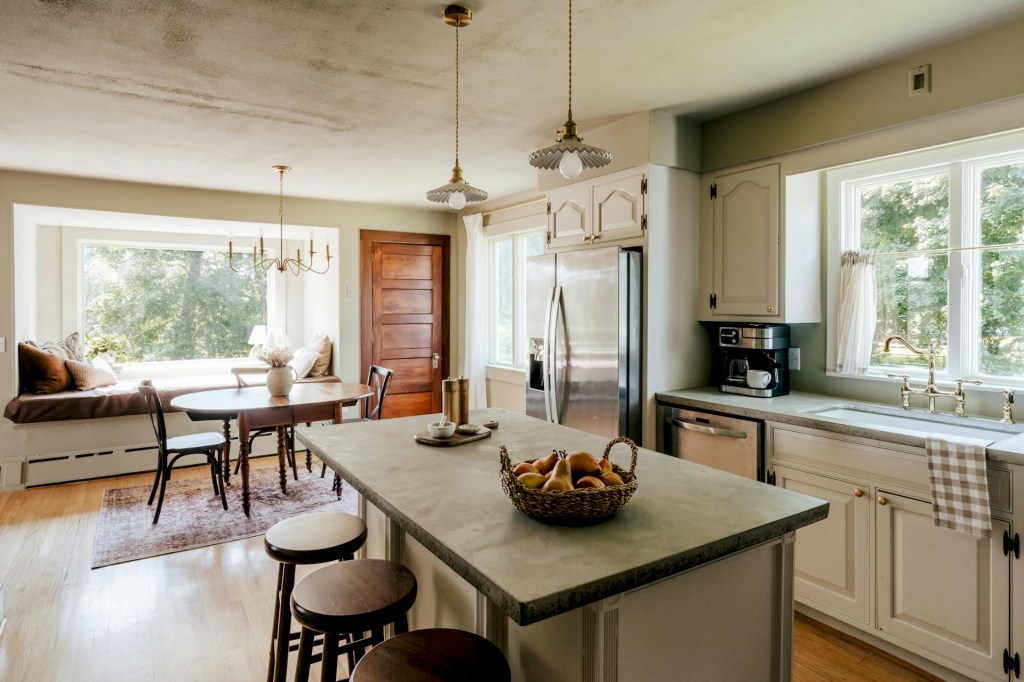
Winter has a way of making us pay closer attention to comfort and layout, especially as we spend more time indoors. Even in warmer parts of the country, colder months slow things down a bit, and the way our living spaces function starts to feel more important. That’s why the details of accessory dwelling unit design matter more than people often realize during this season.
A well-planned unit can create a sense of comfort that holds up all year, even if winter doesn’t mean snow on the ground. In places like Arizona, cooler days and longer nights can shift how we use indoor and outdoor areas. That’s why thinking through the placement, layout, and flow of these smaller structures makes a real difference, not just once they’re built, but every time the seasons change.
Why Seasonal Comfort Starts with Good Design
Even where winters are mild, colder weather still changes how we move around and spend our time at home. Good accessory dwelling unit design takes comfort into account from the very beginning. That’s where planning for insulation, layout, and natural light really shines.
• Material choice matters. We look at what keeps heat in, what stays quiet, and what holds up well over the years.
• Window placement becomes important for light and warmth. Using the sun’s position in the winter can help naturally warm a space during the day.
• Airflow stays a factor no matter the season. Even when it’s cooler out, a well-ventilated space feels drier, more balanced, and easier to keep at a steady temperature.
The steadier the temperature and the easier a space is to heat or cool, the more people enjoy being in it. That’s really what design should aim to do every season, make a small space feel easy to live in without needing constant adjustments.
Making the Most of Outdoor Access in Cooler Months
Arizona winters offer a pretty rare benefit, milder temperatures that let us keep using outdoor space well into January and February. That makes the area just outside an ADU almost as important as what’s inside. We don’t want that space cut off by poorly planned doors or wasted areas.
• A smooth transition from indoor to outdoor space adds usable square footage. Good design connects these two areas in a way that invites use rather than discouraging it.
• Private entrances or patio spaces add value, especially when you’re using the ADU for guests, extended stay family, or even as a workspace.
• Shorter days mean lighting starts to matter more. Planning early for pathway lighting or porch illumination helps make the space feel safe and welcoming after dark.
The extra space outside stretches an ADU’s comfort further, and in winter, we can make the most of our outdoor time by planning smart from the start.
Accessibility and Safety When Temperatures Drop
While Arizona doesn’t have to deal with snow or freezing storms most of the time, it doesn’t take extreme weather for comfort and safety to become noticeable. Slight temperature drops at night or heavy rains in some areas can still affect how people access or use a space.
• For elderly family members or those with limited mobility, colder ground and slightly slick surfaces can become more difficult.
• Having the right flooring, for inside and the area just outside the entrance, makes a big difference in both comfort and accident prevention.
• Motion lighting or wider walkways add convenience and peace of mind on darker winter evenings.
Good accessory dwelling unit design takes safety seriously, not just in case of major issues, but for everyday usability, especially in cooler stretches of the year.
Planning for Future Use Now
Winter tends to slow things down and gives people time to really look at how their current setup is (or isn’t) working. That makes it a good season to think about longer-term planning. Building or upgrading a space now means warmer weather doesn’t sneak up on you.
• A guest unit that’s quiet and climate-controlled in January is a lot easier to prepare and enjoy during busy spring months.
• Having an ADU that adapts for aging in place or turns into a rental later on gives your space more life beyond this current season.
• Last-minute design fixes are common when a structure wasn’t first built for year-round use. When we think about winter early, we lower the chance of comfort problems showing up later.
LJ Builders specializes in designing and building ADUs that fit both current and future needs for homes across Chandler and nearby Arizona communities. The team provides a complete design-build process, managing every detail from concept through construction.
Sometimes a few decisions in January save a lot of scheduling stress mid-year. A unit that’s planned now can stay ready for whatever your needs end up being down the road.
Why Timing and Layout Choices Matter
Building during colder seasons does more than keep you ahead of spring, it can actually shape how the unit turns out. We’ve noticed that people who start work in the winter make slightly different choices, and that often works in their favor.
• There tends to be less need to work around heavy cooling needs during the actual design or construction stage.
• Depending on your location, contractor schedules may be more open, which can ease the pressure in terms of timing.
• We focus more on layout flexibility, like adding shade structures or keeping airflow in mind, which helps once the heat kicks in later.
It’s a time that lets planning shine. With fewer distractions and more chance for steady work, we can help create designs that serve two or three types of use without needing changes later.
Design That Stays Useful Year After Year
Planning for winter doesn’t mean making a unit feel shut in or oversized for its purpose. It means paying closer attention to how light moves through the room, how sound travels between spaces, or where heating and cooling will work best. These are the small decisions that improve how a space feels during holidays, during everyday use, and throughout the rest of the year.
When we put the time into smart layout choices, even during seasons when fewer people are building, the space works better in every condition. Whether it’s January or July, a well-designed accessory dwelling unit will keep doing its job with less effort, more ease, and fewer surprises. That kind of planning is good not just for comfort, but for the peace of knowing your space is ready, whenever and however you need it.
Comfort and Smart Design, All Year Long
Thinking about how a backyard unit can stay comfortable throughout the cooler months and beyond starts with thoughtful layout and planning. Small decisions like light placement, traffic flow, and insulation make everyday life easier. We know from experience that the right changes now can save you time and stress later, especially when building or updating spaces for flexible living. When you’re ready to explore your options for accessory dwelling unit design, LJ Builders is here to help you create a plan that fits the way you live. Reach out to get started.
 LJ Builders