When you’re thinking about adding more space to your home, there isn’t a one-size-fits-all solution. Different home addition styles exist to meet different needs, whether you’re adding a new bedroom, need a quiet home office, or want a cozy spot to enjoy natural light. The key is finding the right style that fits your space, your goals, and how your household lives every day.
Investing in the right addition is about more than just adding square footage. A well-planned home upgrade can help solve current layout issues and prepare your home for the future. If you’re already planning custom home renovations, pairing them with the right kind of room addition can save both time and resources. Here’s a look at what types of home additions are worth considering and how each one can offer something unique.
Traditional Room Additions
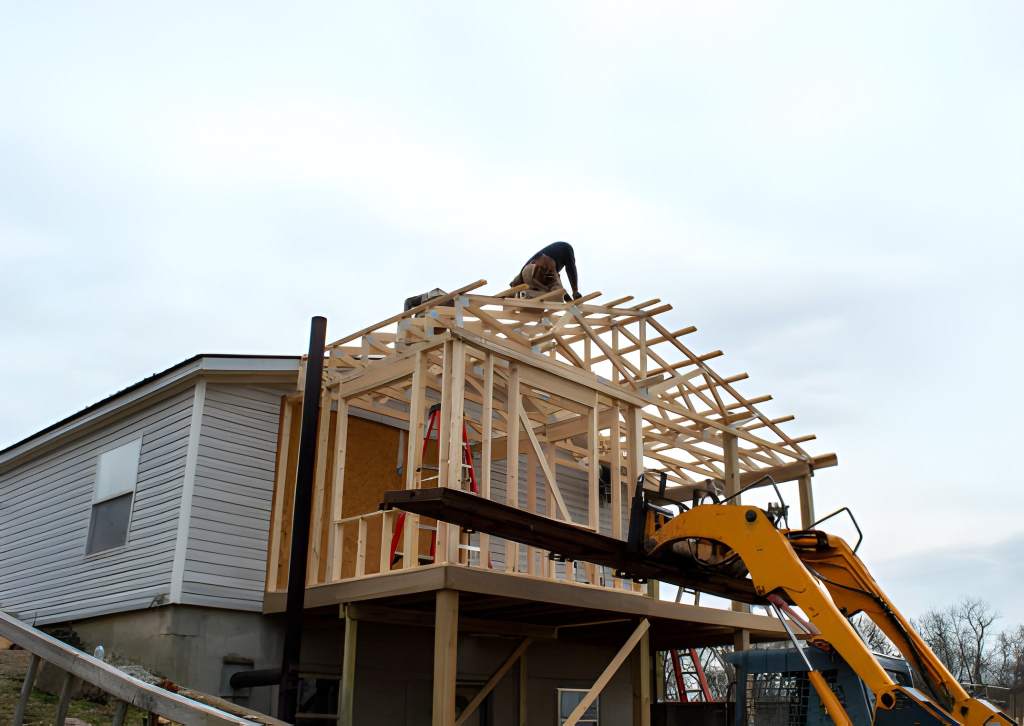
Traditional room additions are the go-to option when you’re looking to expand the footprint of your home. This kind of addition involves building out from an existing wall, often to create something like a new bedroom, family room, or expanded kitchen. When you have the lot space available, this can be one of the most useful ways to grow your home.
Some benefits of traditional room additions include:
1. Extra privacy: A new bedroom or wing gives family members space to spread out without impacting shared areas
2. Increased functionality: More room for storage or entertaining means your home becomes more practical for everyday living
3. Long-term comfort: As your household grows, so do your needs. More square footage helps keep things comfortable
Design-wise, these additions typically flow from the current layout of your home. That means you’ll need to think carefully about how the new space connects to the rest of the property. For example, if you’re adding a family room, it should be placed where it makes sense for people to gather, often near the kitchen or outdoor access.
There are also added costs to consider, like roofing, foundation work, and HVAC changes. In most cases, this kind of project adds long-term value, making it a reliable option for homeowners looking to stay put and invest in space that supports their lifestyle.
A couple in one of our recent projects turned their three-bedroom home into a four-bedroom layout by adding a full guest suite behind the garage. It gave them the perfect solution for hosting visiting family and will later serve as a room for their aging parents.
Sunrooms And Conservatories
If you’re after light-filled relaxation or a soft transition between indoors and outside, a sunroom or conservatory might be a better fit. While they sound similar, the two do have a few differences. Sunrooms are enclosed and climate-controlled, making them usable all year. Conservatories often focus more on the views, with larger glass panels and framing that leans decorative.
Sunrooms typically include:
1. Plenty of windows or glass paneling
2. Heating and cooling for year-round use
3. Flooring that matches or complements the main home
Conservatories, on the other hand, often bring:
1. A more garden-focused aesthetic
2. Framed glass roofs
3. Decorative features like crown molding or tile inlays
These types of additions are perfect for people who love natural light and spending time in a calm, peaceful space. They’re great spots for reading, sipping coffee, or even starting a small indoor garden. While most won’t be used as bedrooms or offices, they still have plenty of practical value and can change how your home feels.
Keep in mind that where you place one matters. A south-facing wall usually gets the most sun, while a north-facing one might give softer, more consistent light throughout the day. Think about your climate and how you’ll use the room before deciding on materials or layout. If privacy’s a concern, consider tinted glass or built-in blinds.
Both styles work especially well for homes with strong landscaping or outdoor views. If you’re already investing in custom home renovations, adding a sunroom during that process can tie interior and exterior changes together smoothly.
Second-Story Additions
If you’ve already used up most of your yard space or don’t want to take away from your outdoor area, a second-story addition might be worth thinking about. This type of addition builds upward instead of outward, giving you a lot of new living space without expanding the house footprint. Homeowners often use this space for new bedrooms, extra bathrooms, a private office, or even a full guest suite.
Before jumping into a second-story build, structural strength needs to be reviewed. Your current foundation and framing have to be able to handle the added weight. This will usually require inspections and sometimes reinforcements. Electrical, plumbing, and HVAC systems may also need upgrades or rerouting to properly serve the new level.
Still, second-story additions can completely shift how your home works for your family. Some advantages include:
1. Gaining more space without losing yard room
2. Creating better separation between living and sleeping areas
3. Boosting privacy or adding a rental-ready layout if you plan carefully
The layout options are flexible too. You could build a full second floor or add a partial upper-level look like a loft or bonus room over the garage. One homeowner we worked with added two bedrooms and a bathroom upstairs, turning their single-level house into a better fit for their growing teenage kids. It also gave the parents back some peace and quiet in the evenings on the main floor.
It’s helpful to plan around rooflines and views. A poorly placed second floor might block natural light or look awkward from the street. Working with someone who has done these kinds of builds before can make a big difference in both the outcome and the process.
Garage Conversions
Turning a garage into a usable room sounds simple, but there’s more to it than swapping out doors and laying new flooring. The bones are there, which saves time on framing and structure, but you still need to think about insulation, climate control, electrical, and sometimes plumbing. A well-designed garage conversion can give you a comfortable, fully functional addition without a full-on expansion project.
These conversions are great for:
1. Home offices or small business studios
2. Playrooms or rec rooms for kids
3. Private guest suites or flexible rooms
4. Workout spaces or hobby areas
The biggest perk is making use of what you already have. Since the structure is in place, it’s often a quicker process than starting from scratch. Still, there are a few downsides to think through. You’ll lose covered parking, which may matter if your area gets summer heat, storms, or colder seasons. Design changes may also be needed to help the room blend with the rest of your house inside and out.
You also need to consider access and noise. Garages attached to the main house tend to be easier to convert than detached ones, which might require more work installing HVAC and utilities. Make sure the floor is upgraded for comfort and durability, since garage slabs aren’t naturally designed for indoor living.
We once helped a family create a home theater out of their old two-car garage. With proper soundproofing, lighting, and wall finishes, their once-unused storage space became one of the most-used rooms in the house.
Planning the Right Addition for the Life You Want
The kind of home addition you choose reflects more than just needing more room. It often shows how your household is changing and how you picture your future. Traditional room additions are solid choices when you love your location and simply need more room right away. Sunrooms make sense for homeowners who want better light and places to relax beyond the basics. Second-story additions speak to long-term planning when you’re thinking ahead but want to keep your outdoor space. Garage conversions are quick and cost-efficient ways to increase livable space without going through a whole new build.
Every home and lifestyle is different. Your needs might center on function, privacy, aesthetics, or long-term growth. The good news is, there’s a home addition option that fits all of those possibilities. Working with a team that knows how these styles function within custom home renovations can help your project run smoother and deliver exactly what you’re hoping for.
Thinking about custom home renovations to match your lifestyle? Discover how LJ Builders can transform your space into something truly special. Learn more about how our team can create the perfect addition that suits your needs and enhances your home’s flow and functionality through our approach to custom home renovations.
 LJ Builders