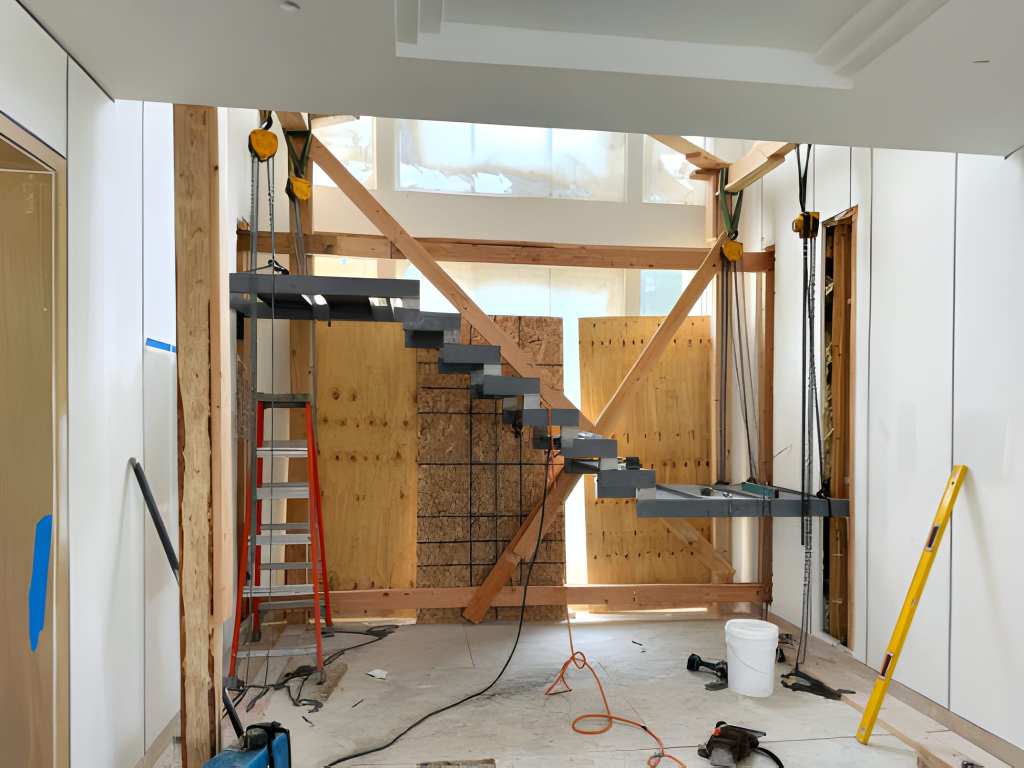
Accessory Dwelling Units, or ADUs, are becoming increasingly popular for homeowners looking to add more versatility to their property. These self-contained units can be built as detached backyard cottages, converted garages, or even part of an existing home. They provide additional living space without the need for an entire home remodel.
Whether you want room for guests, space for aging parents, or a way to bring in rental income, an ADU can help solve space and financial needs without disrupting your home’s footprint. But before jumping into construction, it’s important to understand the preparation that goes into making sure the project goes off without a hitch. From zoning regulations to utility access, getting your property ready is a key part of the process.
Benefits of ADU Installation
ADUs are more than just an addition to your property—they provide real value both now and in the future. Here are a few reasons why people move forward with adding these spaces to their homes:
– Raises your property’s value by offering extra functional space that appeals to future buyers
– Creates the chance for rental income through short-term or long-term leasing
– Offers private areas for multi-generational living while maintaining household privacy
– Provides extra space that can be used as a home office, guest room, or creative studio
– Adds long-term flexibility to support changing needs over time
Take the example of a homeowner who set up an ADU originally for a daughter attending college. Later on, it turned into a private suite for visiting family and eventually became a rental unit. One structure gave them three unique uses—all by planning smart from the beginning.
Essential Preparations Before ADU Installation
Planning to install an ADU takes more than just picking a design and choosing materials. There are several important steps that should happen before building gets underway.
Start by checking with your local planning department about ADU regulations. Each city has different zoning codes for things like lot size, setbacks, height restrictions, and parking space. Knowing this upfront can save time and prevent problems during the permitting process.
Next, assess your property. Is there enough room to build without affecting access to other areas? Is the land level, or will it need grading? You’ll also want to think about utility connections. Look at where your water, sewer, gas, and power lines are located and if they can extend easily to the new unit’s location.
Permits are another key part of early planning. You may need more than one from different departments such as building, health, and even fire safety depending on your region. These can take weeks or even months to process, so getting them started ahead of construction is important.
To break it down, here’s what you need to begin:
1. Review zoning and property requirements through your city or county
2. Set up a property evaluation to look at layout, slopes, and available space
3. Gather and submit building and construction permit applications
4. Map out a project timeline to avoid unexpected holdups
5. Work with a contractor who knows the local ADU process and can guide you
When you take care of these steps early, the rest of the project moves more smoothly and with fewer surprises.
Choosing the Right ADU Construction Services Provider
A good build starts with the right team. Choosing the best provider for your ADU can make a major difference in how your project turns out—from planning through construction.
Look for experience first. A contractor who has built ADUs regularly will be more familiar with space limitations, utility connections, and local permit expectations. They’ll also have a better eye on what types of layouts and designs work well for smaller spaces.
Make sure ADU construction is something they specialize in. Contractors focused on this service are more likely to be familiar with current laws, styles, and time-saving processes. Don’t just go by a website—read reviews and speak with previous clients if possible to hear how a project went from their perspective.
Here are a few tips when choosing who to work with:
– Look for proven experience building ADUs or other small detached units
– Confirm they understand local codes and know how to handle zoning issues
– Ask how they manage timelines and communicate during the build process
– Request to see past projects or walkthroughs to get a feel for the final results
– Make sure they offer support through design, permitting, construction, and move-in
Having a well-rounded team puts you in a better spot to handle whatever the project brings.
Steps to Get Your Property Ready
Once the paperwork is taken care of and the construction team is locked in, it’s time to prepare your property for the actual build. This might seem simple but is one of the most important stages to ensure things go smoothly.
First, clear the area where the ADU will go. That could mean removing trees, shrubs, sheds, or fencing. The ground may also need to be graded if there’s a slope or rough terrain.
Next, utility planning becomes a focus. Your ADU will need access to water, electricity, sewer, and possibly gas lines. Getting this sorted early avoids delays and prevents the need to dig up finished landscaping later on.
Be ready for these common prep steps:
– Remove any obstacles that block access to the site, like fences or bushes
– Clear and level the land, making sure it drains well
– Lay out trenching routes for running utility lines
– Review how construction equipment will move into and out of the worksite
– Check nearby tree locations for root systems that might interfere with the foundation
Your contractor should go over all of this with you so there are no surprises. Open communication during this part of the process can make a big difference in how trouble-free the build experience feels.
Making the Most of Your New ADU
Once your ADU is built, you get to make it your own. These spaces are usually compact, so how they’re set up makes a big impact on how they feel and how well they function.
Start with layout. Open floor plans prevent the space from feeling cramped. Lots of natural light from windows or glass doors can also go a long way toward making it feel larger and more open. Details like thoughtful lighting and smart color choices can really elevate how the space feels.
Furnish the ADU with flexible pieces. A convertible sofa bed, fold-down tables, or wall-mounted shelves can serve multiple uses without using up valuable floor space.
Creative ways to use an ADU include:
– Renting it out full-time or part-time
– Providing a private spot for family or in-laws
– Creating an office or studio that stays separate from the main house
– Offering a space for a college-aged child or aging family member to live nearby
– Hosting guests in a comfortable and private space
One smart setup included a Murphy bed with built-in storage and a fold-down desk. This gave the homeowner both a guest bedroom and quiet work area in one unit that didn’t feel overcrowded.
Building Long-Term Value with ADUs
Adding an ADU gives your property an edge. Whether the goal is financial, family-related, or future planning, it adds flexibility and value in ways that few other upgrades can. With the right preparation and support, the process is more straightforward than most people expect.
From understanding local rules to finding trusted help, every step adds up. And by making smart decisions from the start, your new ADU becomes more than just extra space—it becomes a lasting asset that serves your goals well into the future.
Ready to add a valuable addition to your property? With our ADU construction services, you can create a versatile space that meets your evolving needs. Whether it’s for extended family, rental income, or a home office, we’ll help turn your vision into reality. Take the first step toward enhancing your property’s potential with LJ Builders by learning more about our comprehensive approach.
 LJ Builders