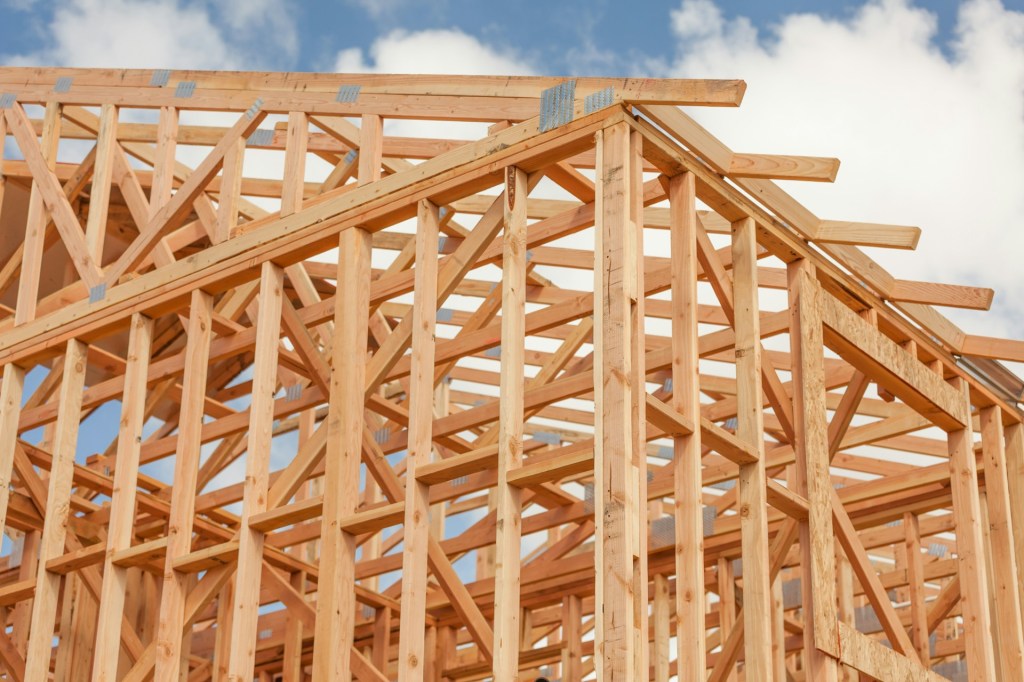
Adding more space to your home should feel exciting, but making it match the rest of your house can be tricky. Room additions are a big investment in both time and money, and the last thing you want is a finished result that looks like it was just slapped on. A well-designed luxury home addition should blend in so well that it feels like it was always part of the original structure.
Whether you’re planning a sunroom, extra bedroom, or even a second story, how it connects to your existing space matters. A thoughtful extension keeps the flow and personality of your home intact. It’s not just about what looks good—it’s about keeping everything in sync so that your newer space adds value without throwing off the charm you already have.
Understanding Your Home’s Architectural Style
Before you begin planning your addition, it helps to fully understand the style of your current home. Every house has at least some defining architectural features. Whether you live in a traditional ranch or a modern build, identifying those key style elements is the first step toward an addition that feels like a natural fit.
Here are a few common home styles to look for:
– Ranch: Typically single-story with low-pitched roofs and simple shapes
– Craftsman: Wide front porches, exposed beams, and handcrafted woodwork
– Colonial: Symmetrical fronts, centered doors, and multi-pane windows
– Modern: Flat roofs, clean lines, and large, open interior spaces
– Mediterranean: Stucco exteriors, tile roofs, arched doors or windows
– Farmhouse: Pitched roofs, basic rectangular layouts, and clean wood trim
Look closely at your home’s rooflines, window shapes, trim styles, and exterior materials. The slope of the roof, the way the windows are framed, or the layout of the porch can all play a role in how your addition should be designed.
For example, if you live in a modern home with broad, horizontal lines and large glass windows, adding a second story with steep dormers and traditional siding could feel completely out of place. Instead, following those clean lines and choosing modern finishes helps preserve the feel of your original home.
Homes with mixed features can be harder to pin down. Maybe your house blends modern and rustic styles. That’s okay. The goal is to pick up on the features that are most dominant or meaningful and align your addition with those for a more unified appearance.
Matching Materials and Finishes
One of the most visible ways to make or break how your addition blends in is with your choice of materials. If those don’t line up, even a well-designed structure may stick out. When materials don’t align from old to new, it instantly draws attention and ends up looking patchy.
To help your new space feel consistent, take note of these key elements:
1. Siding or Exterior Walls
Continue your existing siding pattern and materials into the new area. If your home uses horizontal wood siding or fiber cement panels, look for the same type and profile. If the original material is tough to find, try to get as close as you can in texture and color.
2. Roofing Materials
Using the same roofing type and color is very important. Mixing shingle types or using clearly newer materials can throw off the balance of the entire roof. Even if it’s a less visible part of your home, keeping roof consistency helps with how the home functions and looks.
3. Windows and Doors
Match styles for a smoother exterior. If your house has traditional double-hung windows with white trim, make sure your addition doesn’t introduce sleek black-framed glass. Keep the shapes, trims, and even general layout of the openings in line with what’s already there.
4. Trim and Decorative Details
Things like brackets, fascia boards, porch railings, or shutters should be similar in both size and shape across old and new parts of the home. These features add to the overall harmony and prevent any side of the house from feeling mismatched.
While you might not be able to find every material in the exact color or finish, getting as close as possible helps the new construction feel intentional rather than added as an afterthought. Aim for general alignment in scale, tone, and texture, especially for anything visible from the street.
Maintaining Design Consistency
Design consistency goes beyond materials. It’s also the shapes, spacing, and layout that help keep a home looking unified. You can have the same siding and shingles in place, but if your windows are spaced differently or the new roof slope doesn’t match the old one, it will still feel off.
Focus on aligning these visual details:
– Roof slopes and height
– Window sizes and their spacing
– Door placement and trim
– Lighting fixtures
– Porch supports and railing details
For instance, if your existing roof has a long, low pitch, then adding a tall, steep-roofed section may throw off the proportions. Repeating the original slope keeps the balance. Likewise, if your home features evenly spaced windows with divided panes, suddenly installing a wall of frameless glass may feel jarring.
Design consistency should also extend to the interior. Flooring transitions, matching trim styles, and ceiling heights contribute to a smooth experience as you move from one part of the house to the other. Keeping paint tones and lighting types aligned from room to room adds even more cohesion.
If you already have some standout elements like archways, built-in shelves, or exposed beams, try echoing those in the addition. You don’t need duplicates—just small nods to the original design that make everything feel like it goes together.
Why Professional Guidance Makes a Difference
Working with experienced professionals can be one of the smartest moves when designing your luxury home addition. Architects and designers offer more than just technical help. They have the trained eye necessary to see how everything connects, even the little things that might slip past you.
A skilled architect will study how light moves through your house or how views can be preserved with the new layout. Designers can find materials or finishes that mirror your existing space without being too obvious. They bring knowledge that helps your new section age well and stay on track with your long-term home goals.
Without their input, it’s easy to make decisions that might cause future regrets. An awkward window shape or door placement might not seem like a big deal during the build, but off-balance exterior features can affect your home’s value and curb appeal later.
Trusted professionals also help you make hard choices. Should you match something exactly or just get close? Is a certain finish too modern or too vintage? Their advice helps protect your investment, so every square foot you add works just the way you need it to.
The Kind of Space That Just Fits
Adding onto your home is about more than extra square footage. It’s about giving your family the space they need without giving up the style and balance you already love. When done right, luxury home additions enhance your comfort and your home’s appearance without skipping a beat.
Whether you’re figuring out your architectural style, choosing materials, or understanding why rooflines matter, every detail plays a role in making the new space feel like it was always there. Bringing in the right professionals can make all the difference, keeping you from costly missteps and guiding everything to fit together with care.
With an aligned design and thoughtful construction choices, you don’t just end up with more room—you get a home that feels right from every angle. One that’s beautiful, functional, and truly yours from the inside out.
Whether you’re envisioning a new sunroom or expanding your kitchen, integrating those spaces seamlessly into your home adds both comfort and value. By focusing on cohesive design, you’ll preserve the charm of your original structure. If you’re considering luxury home additions, let LJ Builders help you craft a space that feels both new and familiar while staying true to your home’s character.
 LJ Builders