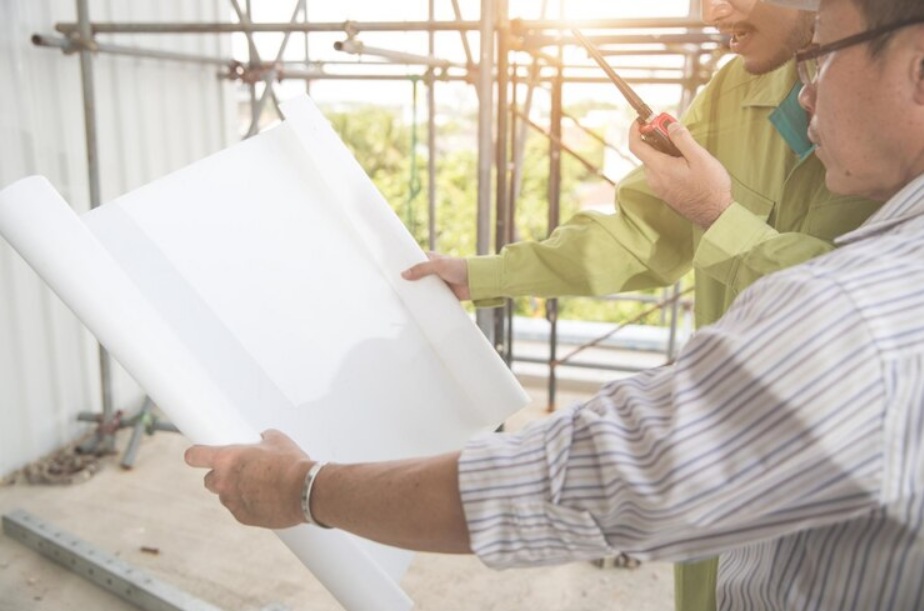
Thinking about a home addition? It’s a big step. Whether you’re aiming to build a larger kitchen, add a new bedroom, or extend your living space, planning properly makes all the difference. A lot goes into custom home renovations, and asking the right questions early can help you avoid stress, delays, and budget problems later on.
By slowing down and thinking through your goals, needs, and options, you can set your project up for success. From figuring out the purpose of your addition to understanding zoning rules, each part matters. Let’s walk through a few important questions you should be asking before starting your next home addition.
Determine Your Goals
Before getting quotes or browsing design inspiration, take a moment to ask: What do I want this space to do? Some homeowners want more space for a growing family. Others want to boost the resale value of their house or create a more open layout. Whatever your reason is, the goal will shape every choice that follows.
Here are some common goals to consider:
– More space, like an extra bedroom, office, or guest area
– An improved layout, such as expanding a kitchen or living room
– Better functionality, especially for aging in place or accessibility
– Adding value to your property before you plan to sell
Knowing your goal can also help with decision-making during the design phase. For example, if you’re adding an in-law suite, you’ll need to consider privacy and a separate entrance. If you’re expanding a kitchen, storage and appliance placement might top your list. When your purpose is clear, it’s easier to sort through ideas and make smart choices.
When goals aren’t clearly defined, projects can spin off track and become far more expensive than planned. Having a tight focus on what matters most to you makes it easier to say no to extras you weren’t planning on and say yes to features you’ll actually use.
Budget Considerations
Once you’re clear about what you want, the next step is figuring out what you can comfortably spend. It’s easy to get excited when looking at Pinterest boards or floorplans, but home additions can get expensive fast without a solid budget. And it’s not just the construction cost. There’s demolition. Permits. Plumbing. Electrical. Maybe even temporary living expenses or storage. You have to think about all of it.
A smart way to handle budgeting is to break it into smaller parts:
1. Base construction cost: framing, walls, foundation work
2. Inside finishes: cabinets, flooring, lighting
3. Fees and permits: city or county paperwork, inspections
4. Surprise items: older homes may need plumbing upgrades or hidden repairs
It helps to include a buffer for things you didn’t see coming. No project goes 100 percent as planned. Materials prices can change, hidden damage might show up in the walls, or you may decide to tweak something midway through. Having that cushion means fewer surprises that disrupt your budget.
Setting priorities can help too. Know which features matter most to you and which ones you’re more flexible on if adjustments are needed. That way, you stay on track without sacrificing the main vision for the project.
Assessing Existing Structures
Before diving into a construction project, you’ll want to know how your current home will handle the addition. Sometimes, homeowners have big ideas for a second story or expanded kitchen only to discover structural limits. A close look at the foundation, roofline, framing, and drainage setup can save you serious trouble later.
An experienced contractor or inspector can help determine whether your home’s layout and bones are strong enough to support the new work. For example, if your home’s electrical panel is outdated, it might need an upgrade to handle more appliances or lighting in the new area. Same goes for plumbing if you’re adding a bathroom or laundry room.
Here’s what should be evaluated:
– Foundation condition and weight-bearing capacity
– Roof slope and connection points
– Drainage around your home that might be affected
– Placement of major systems like HVAC, water heater, and electrical
– Wall alignment and framing for possible beams or headers
You don’t want to design around ideas that just aren’t workable. It’s better to know ahead of time if something needs to be reinforced, re-routed, or totally rethought. That knowledge helps shape the design so it works both with your vision and the existing structure.
Legal And Zoning Requirements
Before breaking ground, every project needs to align with local laws. Building codes and zoning rules guide what’s possible and what won’t fly. It’s more than a paperwork step. Skipping it risks delays, fines, and even having to tear out work that doesn’t comply.
Zoning laws matter because they set rules like how close you can build to a property line, how high the roof can go, and what types of structures are allowed in different parts of a city. Some areas may also have homeowner association limits that apply over and above city rules. Checking early helps avoid surprises later.
You’ll also likely need permits for:
– Structural changes like walls, foundations, or roofing
– Electrical system updates or expansions
– Plumbing and drainage connections
– Major exterior changes or added square footage
Getting permits may take a little time, so plan that into your schedule. Depending on where you live, you may also need approvals from local utility companies, especially if expanding near power or sewer lines.
It may feel like red tape, but good planning here avoids bigger problems. A project halted partway through by a code issue can stall for months. Being thorough beforehand keeps everything running smoother later.
Choosing The Right Contractor
No matter how solid your plans are, picking the right contractor makes or breaks the project. You want someone with the right skills, experience, and communication style. A solid contractor will help you interpret your goals, watch out for risks, and keep things moving forward.
Here are some questions worth asking:
– Have you handled custom home renovations of this size before?
– Will I have a consistent point of contact throughout the project?
– How do you handle permits and inspections?
– Do you use subcontractors, and how are they selected?
– Can I see examples of similar completed work?
Don’t feel shy about digging into reviews, asking for references, or requesting a sample timeline. A good contractor should be prepared to answer questions and offer detailed explanations without dodging or rushing through them.
Use the proposal stage to check how thorough and easy to understand their estimates are. Are materials listed clearly? Do timelines make sense? Are allowances left for changes or unknowns?
One homeowner shared how they got multiple bids, but the contractor they hired listened closely and offered straightforward feedback about possible roadblocks. During the project, that honesty helped keep surprises to a minimum, and the builder stayed within a few days of the original schedule. That kind of trust matters when your home’s being opened up and rebuilt.
Start Your Addition With Confidence
Taking the time to ask the right questions sets the tone for everything that follows. You create a blueprint not just for the design but for how you’ll handle changes, expenses, and decision-making as things progress. It gives you more control and lowers the chances of delays or regrets.
A home addition is a chance to rethink how your space works and make it fit your life better. Whether you’re planning a second-story retreat or just some extra room to spread out, start with a solid understanding of your goals, your budget, and your home’s capabilities. Add clear communication with your contractor and complete your permits the right way, and you’re on track for a smoother process from start to finish.
Considering a home renovation can feel overwhelming, but starting with these key questions makes the whole process smoother. Turn your ideas into reality with the help of LJ Builders. Explore how our approach to custom home renovations can transform your living space into something truly personal and lasting. Let us handle the details so you can enjoy a comfortable, well-designed home addition.
 LJ Builders